

私が初めて日本で大晦日を迎えたとき、深い静けさに驚かされました。
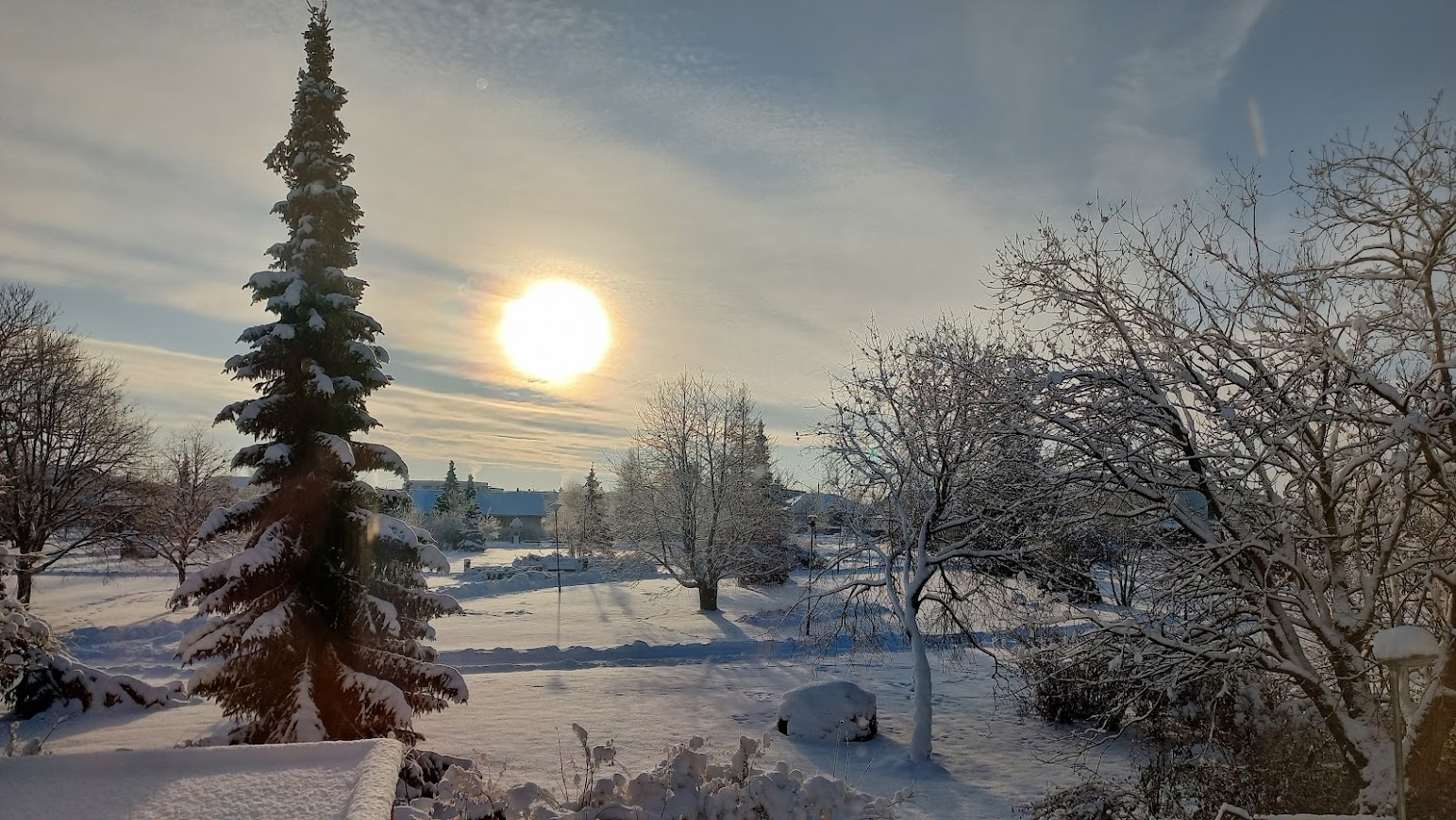
花火はなく、騒ぎもなく、ただ澄んだ空気だけがそこにありました。
土佐町に暮らしていると、ほとんどの祭りで花火を見るだけに、その静寂はなおさら印象的でした。
エストニアでは、新年は光と音に包まれます。
花火、音楽、踊り、歌声——
新年は祝祭と高揚の中で迎えられます。
けれど日本の大晦日の静けさは、私の魂にそっと触れるようでした。
それは「祝う」というよりも、「整える」時間。
沈黙の中で自然とつながり、静かに新しい年の気配を迎え入れる。
それは私にとって、とても自然で、深く安らぐ在り方でした。
そして私は、それを土佐町で体験したのです。
1月1日は、新しい宇宙の循環の始まり。
それは一年の「霊的な扉」が開く瞬間のように感じられます。
行動の前の静けさ。
動き出す前の内なる調律。
日本では、本当の「始まり」は春、4月に訪れます。
新学期も、会計年度も、その季節に動き出す。
それまでの時間、人々は神々と向き合い、自然と結び直し、
内なる世界を静かに整えていきます。
私もまた、その流れの中に身を置いていました。
ヨーロッパでは、会計年度は1月に始まり、
学校は秋に始まります。
時間の区切りは制度によって決められ、
自然のリズムとは必ずしも一致しません。
私は、自然のリズムとともに生きることを大切にしています。
内なる感覚に身を委ねると、身体そのものが緩んでいくのを感じます。
日本にはサマータイムがなく、時計は一年中変わりません。
その代わりに、光、季節、気温、風、自然そのものが
人のリズムを導いています。
だからこそ、日本にいると、身体が深く安らぐのです。
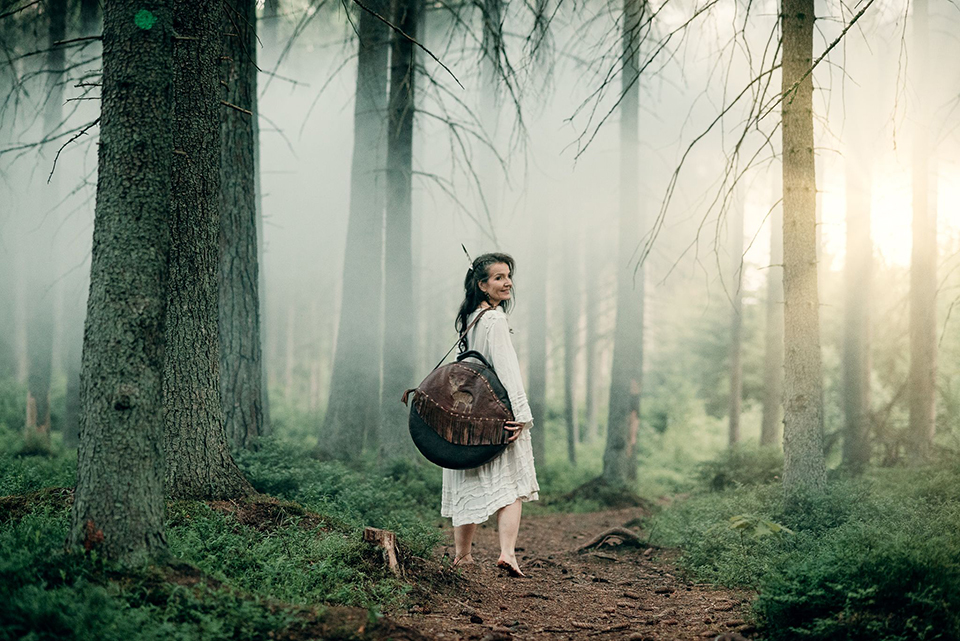
エストニアでも、私は自然の中で生きていました。
森を歩き、海辺に立ち、湿原に足を運ぶ。
大晦日や元日に自然の中にいることも、特別なことではありませんでした。
けれど、「新年最初の太陽の光」を
自然の中で迎えたのは、人生で初めての体験でした。
それが、日本の1月1日でした。
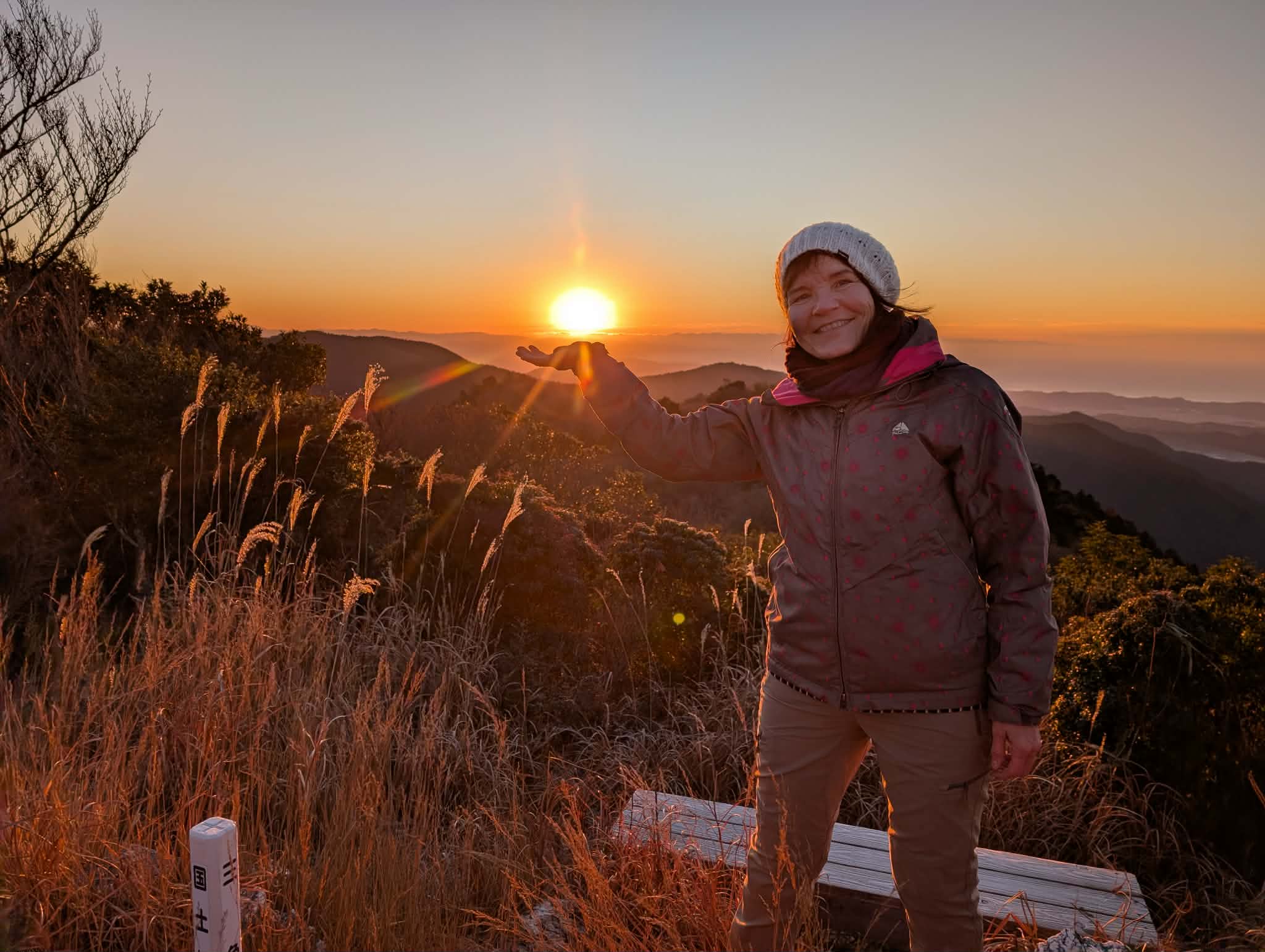
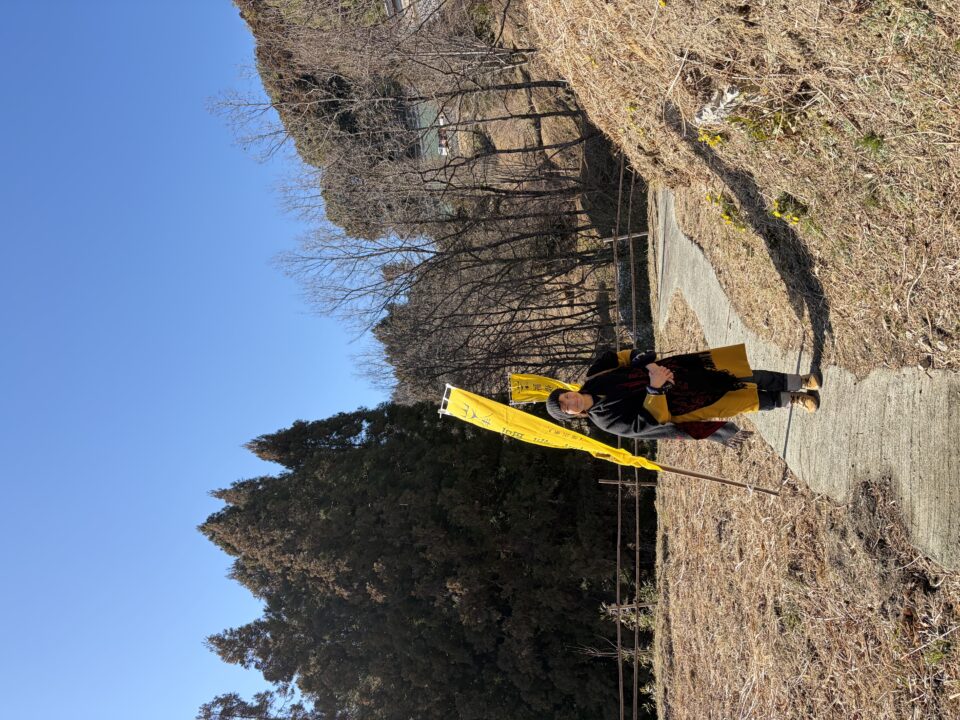
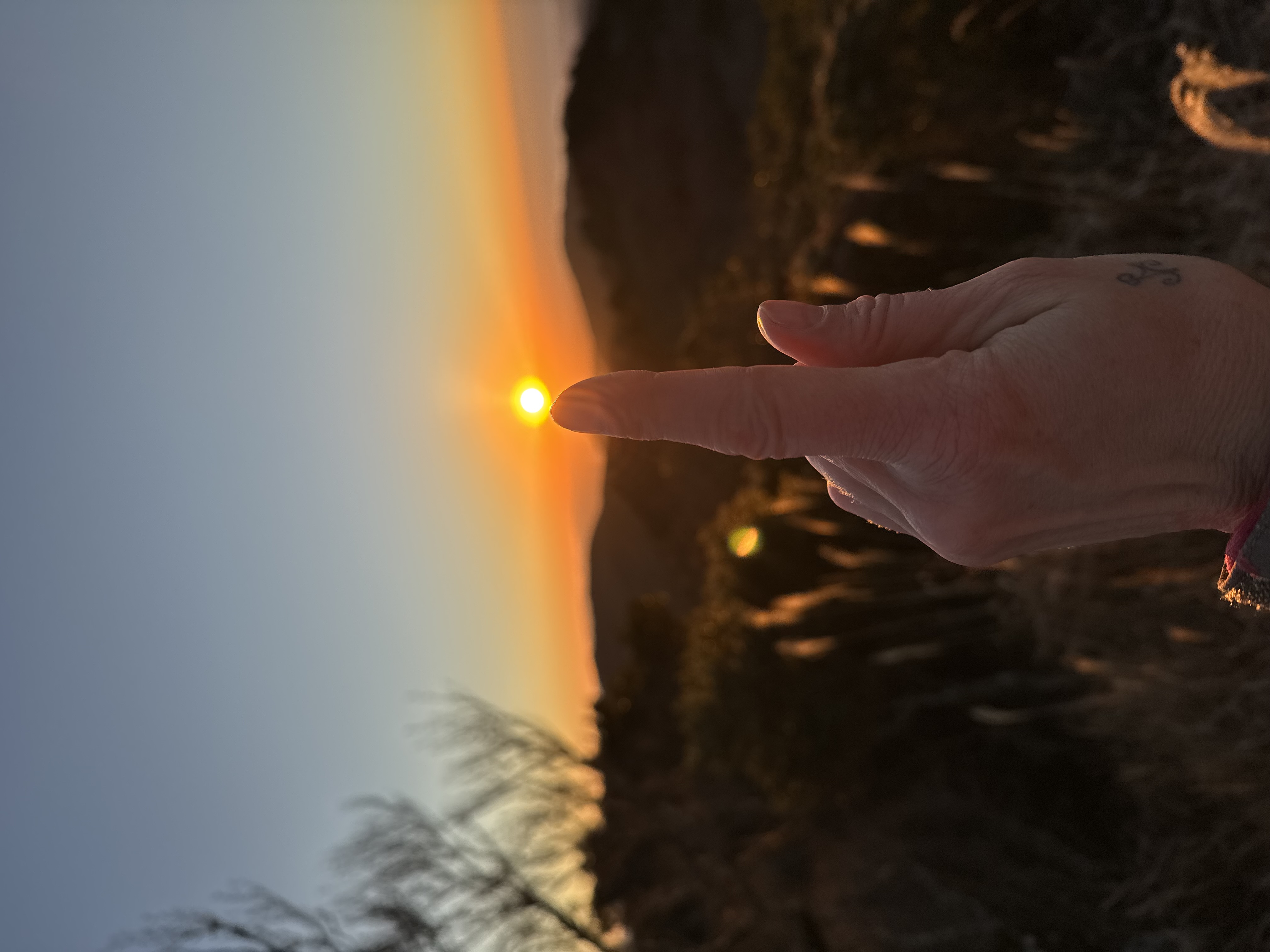
午前5時、ヘッドランプの光を頼りに、私たちは山を登り始めました。
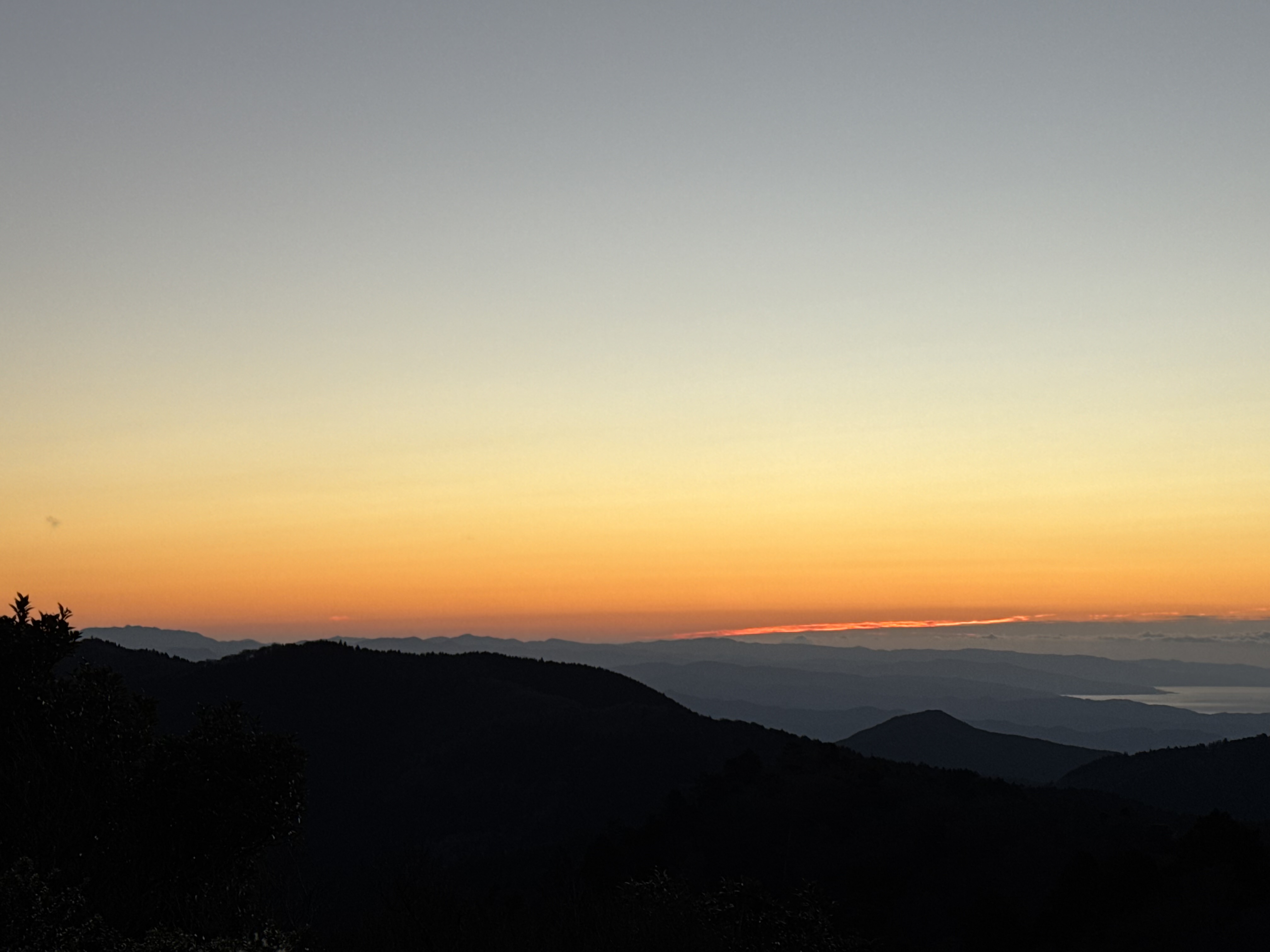
やがて、山の稜線の上に細い光の帯が現れ、
それがゆっくりと広がり、
ついに太陽が姿を現しました。
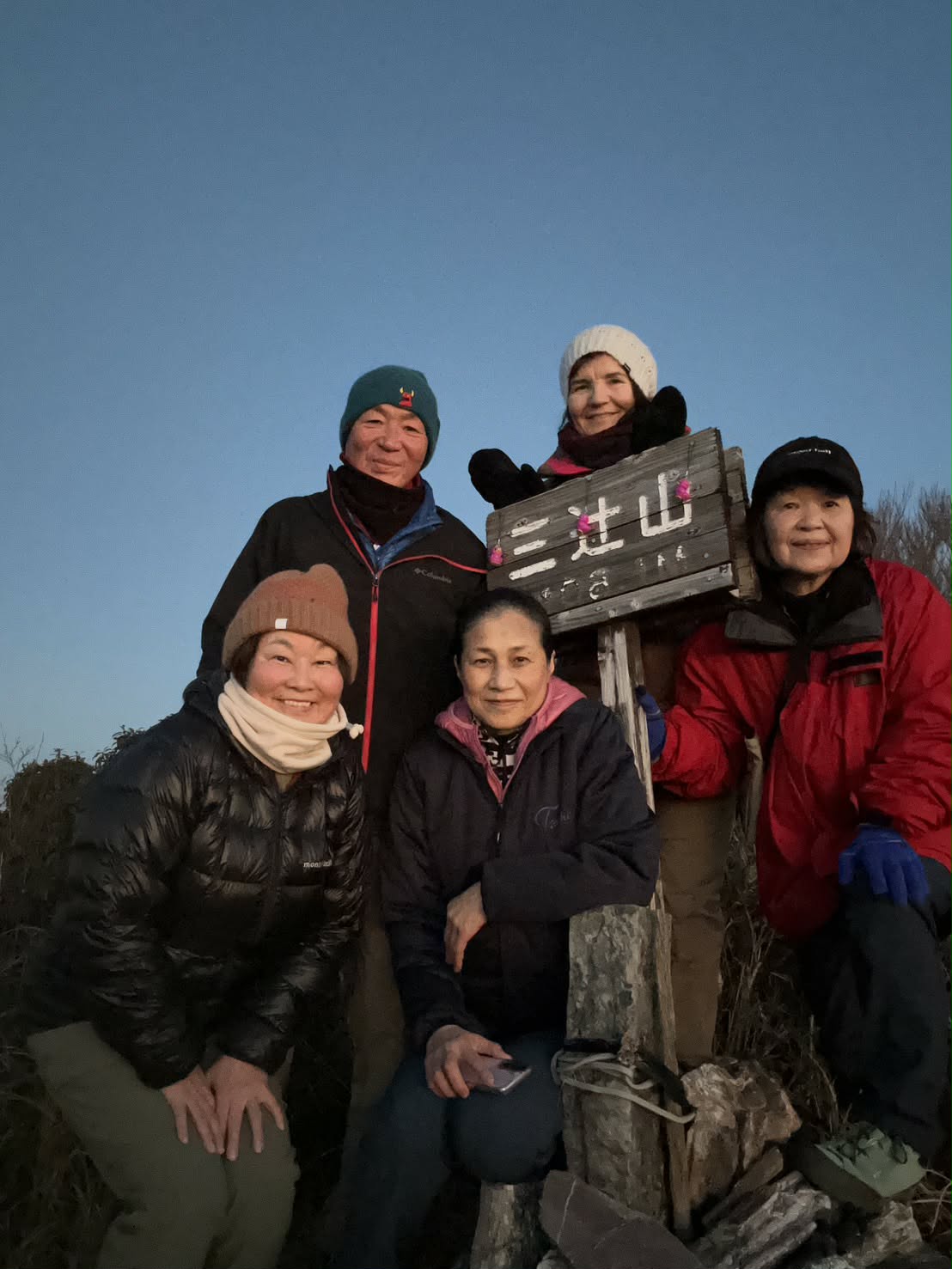
山頂の空気は凍るように冷たく、
私たちは足踏みしながら身体を温め、
抹茶を点てる準備をしていました。
それでも、その場には確かに、
言葉にならない神聖さが満ちていました。
それは儀式であり、祈りであり、
静かな祝福でした。
日本の元日の伝統には、深い叡智があります。
初日の出は、新しい始まり、浄化、そして一年の祝福を象徴します。
それは神道に根ざした、自然への畏敬の文化。
この瞬間、人は願いを放ち、祈りを空へと送り出します。
私もまた、太陽の神に祈りを捧げました。
その瞬間が、さらに特別なものとなったのは、
太陽が山の向こうから姿を現したまさにその時、
エストニアでは新年が始まっていたことでした。
冬の間、日本はエストニアより7時間進んでいます。
闇は光へと移ろい、
古いものは静かに手放され、
新しい形が生まれていく。
年の始まりは、
魂にとっての「再起動」のようなものです。
元日には神社を訪れ、祈りを捧げる。
私はこの日本の伝統がとても好きです。
日本の1月は、人に問いかけません。
「今年の目標は何ですか?」とは。
代わりに、静かにこう尋ねてくるように感じます。
「あなたの内なる在り方は、今どんな状態ですか?」
冬は、沈黙の季節。
祈りと儀式と、内省の時間。
もし冬が「内なる整え」の季節だとしたら、
春、4月は「外へ生きる」季節。
心が澄み、意識が整っていれば、
人は自然と、新しい道へと歩み出していきます。
私自身、この「沈黙の時間」を今年、特に深く生きています。
過去のエネルギーが静かに薄れ、
新しいものが、まだ輪郭を持たずに漂っている。
そんな分岐点に立っている感覚があります。
自然とともに生きることは、
待つことを学ぶことでもあり、
信じることを学ぶことでもあります。
New Year Energies in Japan
When I experienced the New Year Eve in Japan for the first time, I was surprised. Everything was so quiet, without a single firework. Living in Tosacho I have seen fireworks at almost every festival, but not on New Year’s Eve. In Estonia people get used to celebrate the New Year with fireworks, parties, dancing, and singing. For me this quietness felt like a balm to my soul. It’s more natural for me to welcome the New Year energy in silence and in connection with nature. That is exactly what I was able to enjoy here, in Tosasho.
The idea what is behind this quietness deeply resonates with me. January 1st marks the beginning of a new cosmic cycle. It is like a spiritual opening of the year—an inner alignment before action begins. Time for action comes in April, together with spring, when the new school year, and the fiscal year starts. Until then, people renew their relationship with the deities and create a deep connection with nature. So did I.
In Europe, the fiscal year begins on January 1st, and the school year starts in autumn, on September 1st. Living in harmony with the rhythms of nature is important to me, even my body relaxes when I let nature and inner feeling to guide me. In Japan, there is no daylight saving time twice a year, so the clocks stay the same throughout the year. Instead, nature itself guides daily rhythms. That is why my body feels more at ease in Japan.
In Estonia, I often spent time in nature—walking in forests, by the sea, or in bogs. It was quite normal for me to go out into nature on New Year’s Eve or on the first day of the year. I’ve also enjoyed watching sunrises in Estonia, but I had never before welcomed the very first rays of the New Year’s sun in nature. I experienced this for the first time in my life on January 1st this year.
At 5:00 a.m., we started our hike toward the mountain peak by headlamp light. Soon a thin strip of light above the mountains slowly expand until it finally revealed the sun itself. It was cold on the mountaintop in the early morning. We jumped from one foot to the other to keep warm while trying to prepare matcha tea. Even so, it was a truly ceremonial holy presence.
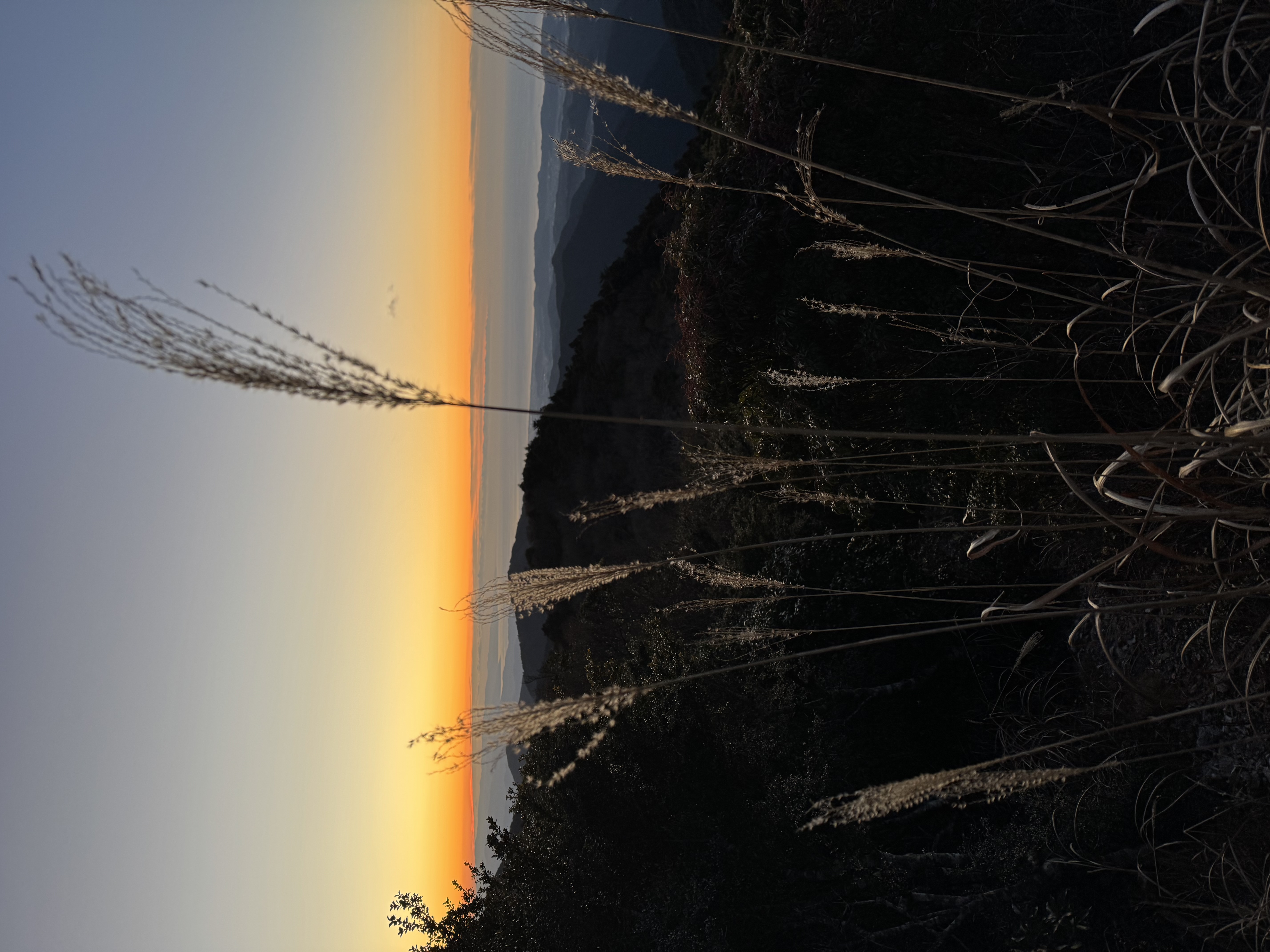
I love the Japanese January 1st tradition and its wisdom, where the sunrise symbolizes a new beginning, purification, and good fortune for the entire year. It reflects a cultural tradition rooted in Shinto and in reverence for nature. This is a moment when people send their wishes and prayers into the world. Me too, I also offered my prayers to the sun deity. What made this moment especially meaningful was that at the exact moment the sun appeared from behind the mountain, the New Year began in Estonia. In winter, Japan is seven hours ahead of Estonia.
Darkness moves into light, and everything old will be gone ready for a new form. The beginning of the year feels like a “restart” for one’s inner spiritual being. On the first day of the year, it is also traditional to visit a shrine, and I did that as well. I like Japanese traditions.
I like the idea that January does not ask people, “What resolutions have you made for the New Year?” as is often done in Europe. Instead, it quietly looks inside a person and asks, “What is your inner state of being?” Winter is a time of silence, rituals, and prayers.
If winter is a time for inward reflection and spiritual alignment in silence, then April is the time to live outwardly. If the mind is pure and aligned, there is strength and clarity to move forward with new endeavors.
In my own life, I felt this “time of silence” especially deeply this year. I found myself at a crossroads, where the energy of the previous phase was gradually fading and the new had not yet fully revealed itself. Living in rhythm with nature teaches also a patience and trust.