

私の二つの故郷 ― エストニアと四国・土佐町
私が初めて土佐町を訪れたのは、6年前のことでした。
それは私にとって2回目の日本、そして四国への旅でした。
最初に四国を訪れたのは7年前で、そのときはお遍路として来ました。四国は日本の四大島の一つですが、ほとんどのエストニア人はその存在を知りません。
けれども私は、エストニアの人々に四国、そして特に土佐町の魅力を伝えるために努力してきました。
その成果もあってか、最近ある日本人の友人がこう言ってくれました。
「今ではエストニアの人たちは、東京や京都だけでなく、土佐町のことも知っていますね。」
エストニアは日本からとても遠く、移動には丸一日かかります。直行便はありません。
フィンランド経由で行くのが一般的で、フィンランドからエストニアまでは飛行機で約20分、フェリーでも約2時間半です。
エストニアはロシアの隣にある小さな国で、ラトビアやリトアニアと並んで「バルト三国」と呼ばれることもありますが、エストニア人自身は北欧の民族だと考えており、文化的にもフィンランド人やスウェーデン人に近いと感じています。言語もフィンランド語と少し似ています。
エストニアの国土面積は45,339平方キロメートル、四国は18,800平方キロメートルです。人口はエストニアが約130万人、四国は約360万人です。
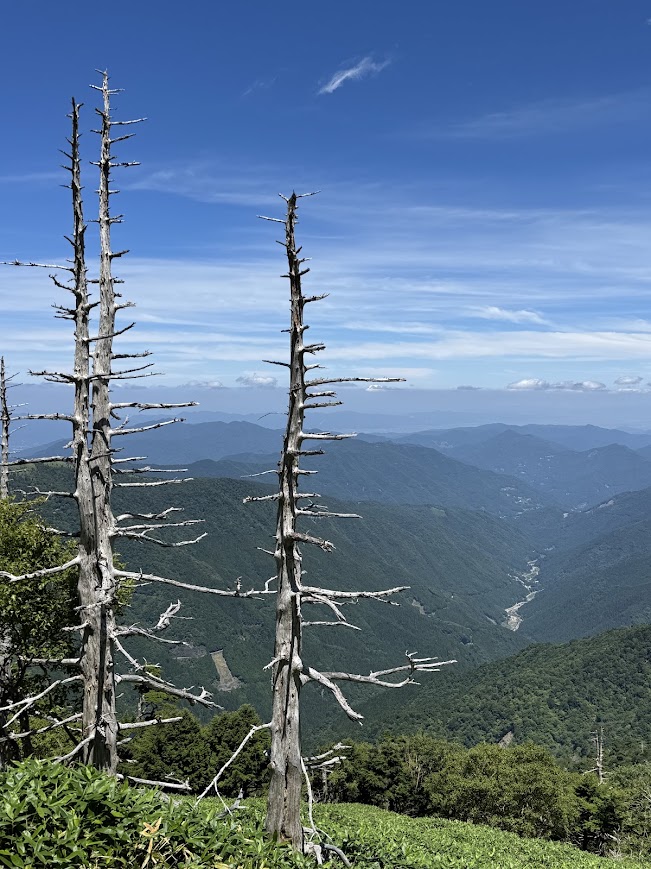
四国は山が多い島で、最高峰は標高1,982メートルの石鎚山です。一方、エストニアの最高地点はムナマエ(直訳すると「卵山」)で、標高はわずか318メートルです。
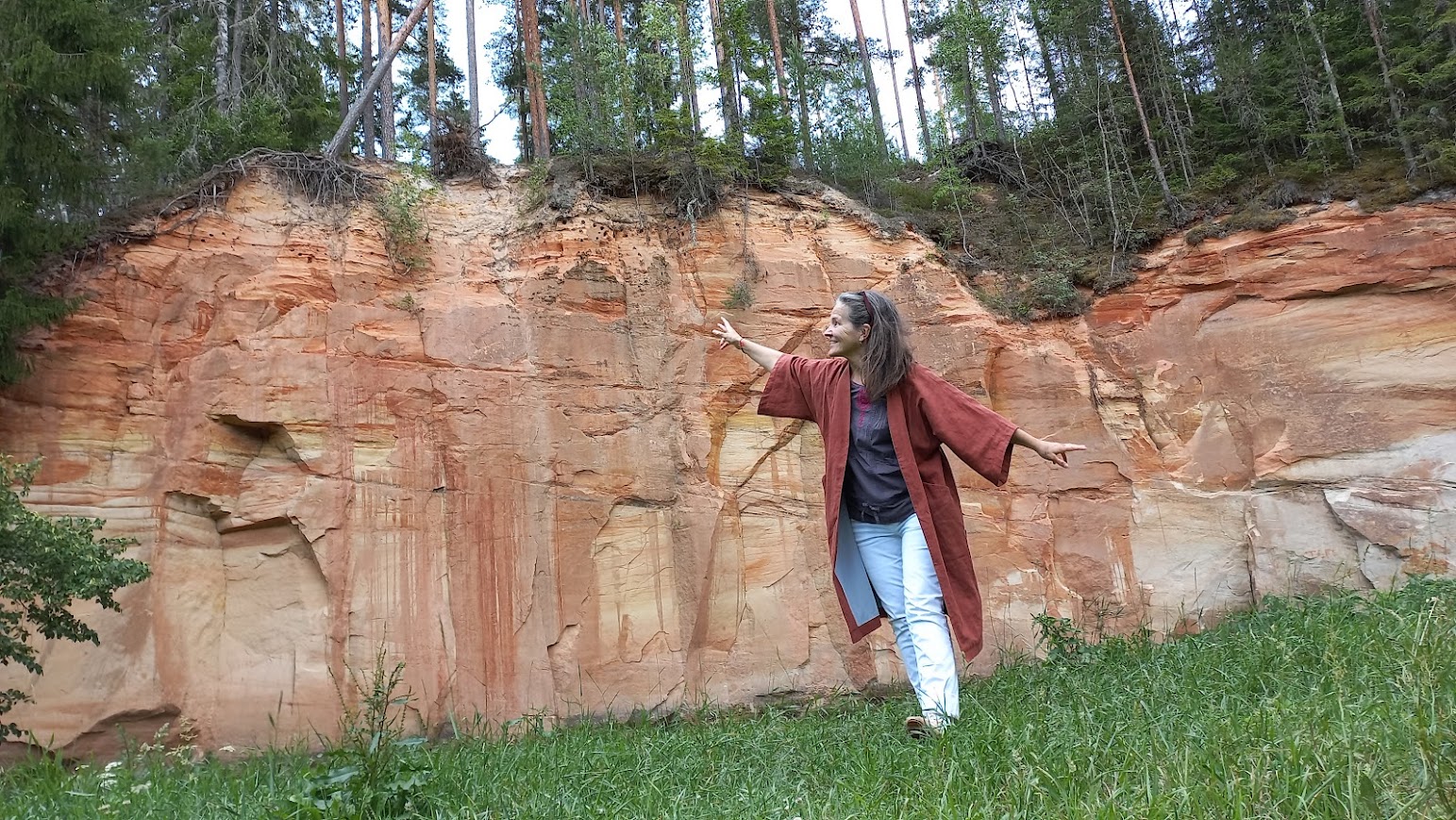
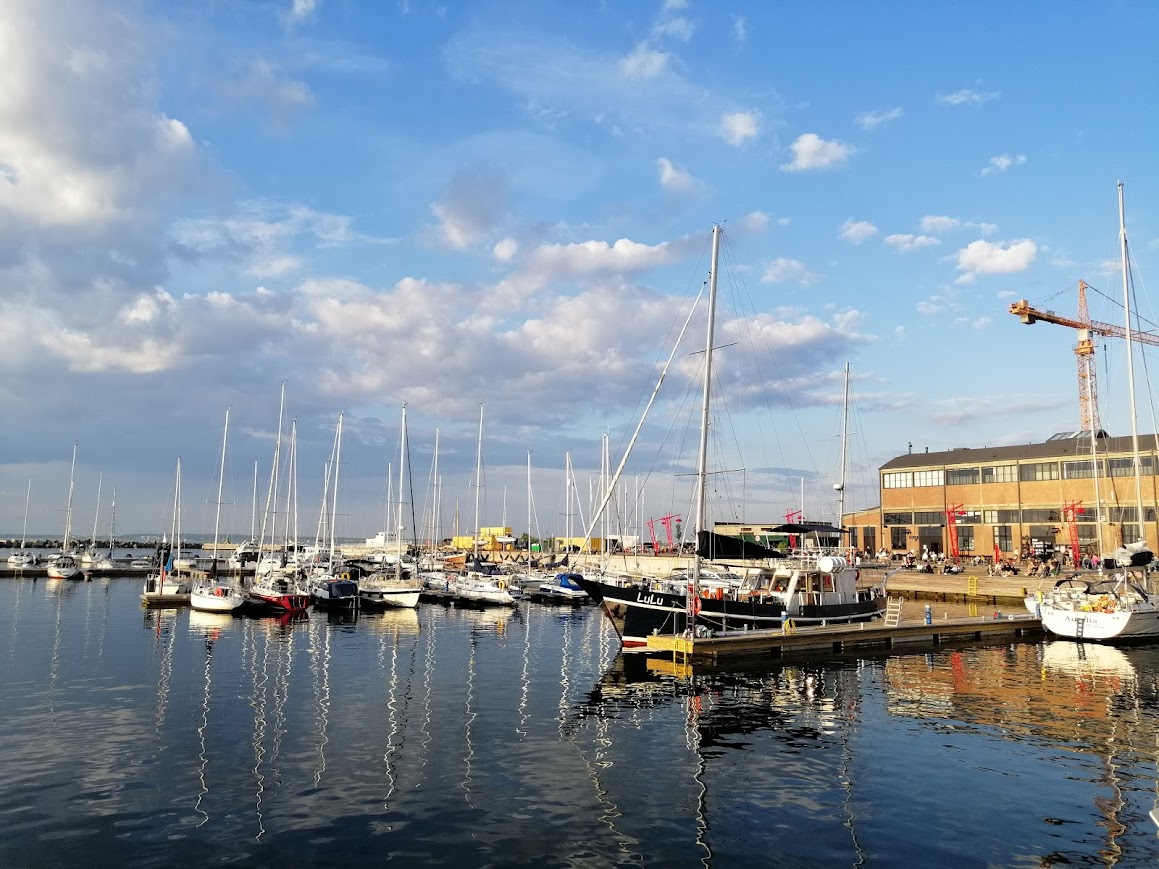
エストニア南部は美しい丘陵地帯が広がり、北部は風光明媚な海岸線で知られています。首都タリンは、中世の街並みが良好に保存されていることでヨーロッパでも有名で、ユネスコの世界遺産にも登録されています。
私は土佐町でとても居心地の良さを感じています。文化的な違いは大きいものの、エストニア人と日本人には多くの共通点があります。
例えば、エストニアでも屋外用の靴を履いたまま家に入ることはありません。室内ではスリッパを履くことが多いですが、居住空間用とトイレ用を分ける習慣はありません。
温泉での裸になる習慣は、多くのヨーロッパ人やアメリカ人にとっては抵抗があるものですが、エストニア人は裸に対してあまり抵抗がありません。
私たちは何世紀にもわたって、サウナに裸で入ってきました。ただし、スパ文化は温泉文化とは異なり、スパでは水着を着用します。スパは男女混合の空間だからです。
サウナ文化はエストニアでも非常に盛んです。エストニア人はサウナが大好きです。伝統的なエストニアのサウナは「スモークサウナ」ですが、現在ではフィンランド式サウナの方が一般的です。
サウナでは「ヴィフタ(vihta)」と呼ばれる木の枝を束ねたものを使います。伝統的には白樺の枝で作られ、伐採、乾燥、使用に至るまで、身体を清め癒すための独自の儀式や習慣があります。
エストニアの交通は日本とは逆で、右側通行です。しかし私は左側通行にもすぐに慣れ、日本での運転にもまったく抵抗を感じませんでした。
日本の運転免許試験も一発で合格しました。これは、エストニアの運転免許試験が非常に厳しく、基礎がしっかり身についていたからだと思います。
国民性という点でも、エストニア人は日本人に比較的似ています。エストニア人は、特にアメリカ人やロシア人と比べると、静かで控えめです。
例えば、エストニア人は何時間も同じ車に乗っていても、一言も話さずにいられます。また感情をあまり表に出さず、内面的に生きる傾向があります。心を開くまでに少し時間がかかりますが、親しくなるとよく話すようになります。エストニア人は勤勉でもあり、それが時に過労につながってしまうこともあります。
日本に移り住んで驚いたことの一つは、冬の家の寒さでした。エストニアではほぼすべての家にあるセントラルヒーティングが、日本にはありません。
土佐町では灯油ヒーターを使うようになりました。部屋はすぐに暖まりますが、灯油を補充する作業は私にとってまったく新しい経験でした。最初は不器用で、よく灯油をこぼしてしまい、家の中や自分自身がガソリンスタンドのような匂いになることもありました。今ではすっかり慣れました。
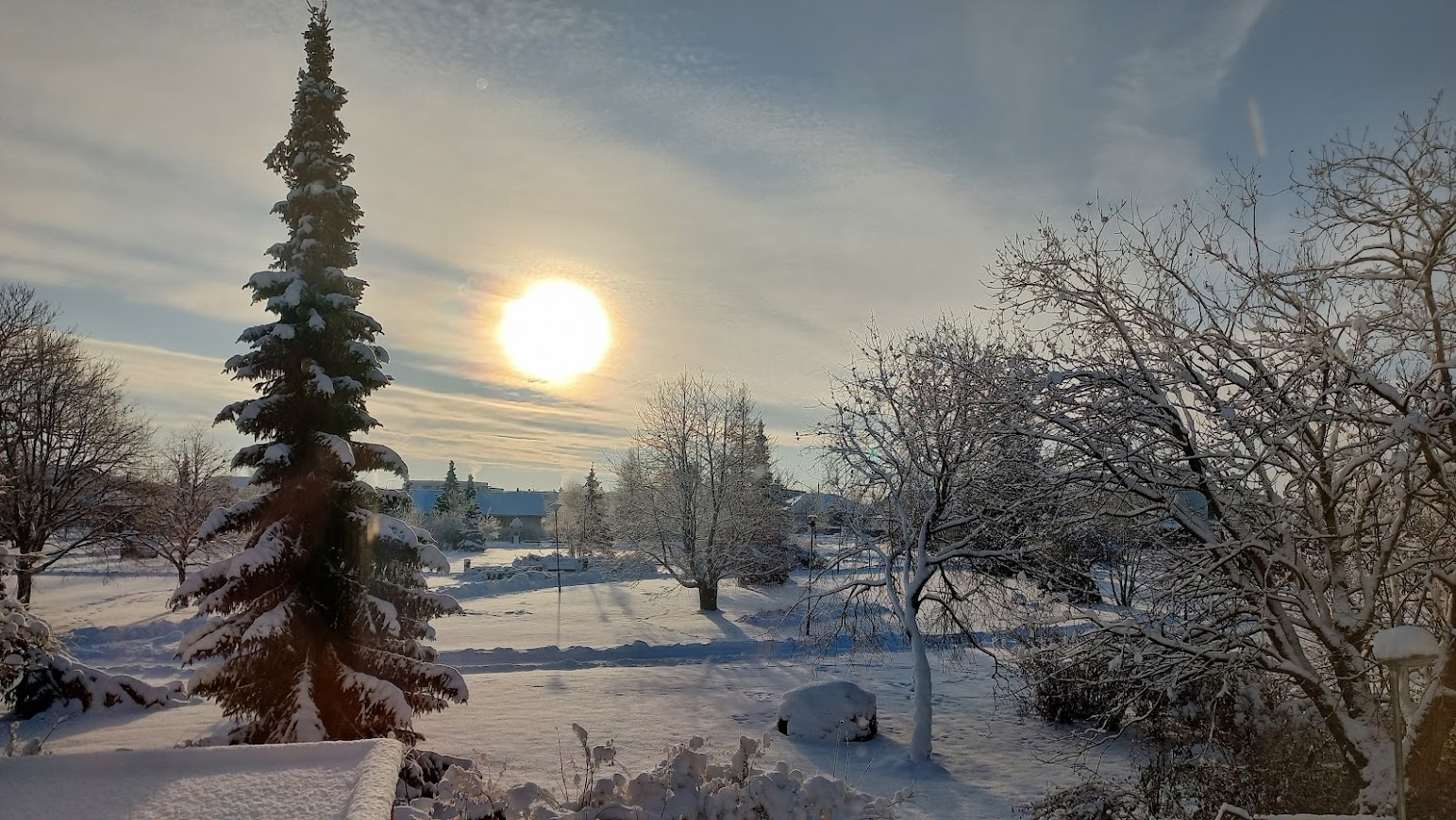
多くのエストニア人は、日本の人々が寒い季節をどのように過ごしているのか、想像することさえ難しいと思います。ただ、エストニアの農村部にも、セントラルヒーティングのない質素な家は存在し、似たような生活をしている人もいます。多くのエストニアの家には暖炉があり、暖房として重要な役割を果たしています。
サウナと暖炉は、冬のエストニアにおいて、暖を取るためだけでなく、精神的にも非常に大切な存在です。
それは、日本人にとっての温泉や薪ストーブと、どこか似ているのかもしれません。
My Two Homes – Estonia and the Heart of Shikoku, Tosacho
I first came to Tosacho six years ago. It was my second time traveling to Japan, to Shikoku. The first time, I came as a pilgrim seven years ago. Although Shikoku is one of Japan’s four main islands, most Estonians have never heard of it. I believe this is slowly changing, as I have done my best to introduce Shikoku—and especially the Tosacho area—to people in Estonia. As one of my Japanese friends recently said: “Now Estonians know not only Tokyo and Kyoto, but also Tosacho.”
Estonia is quite far from Japan. Traveling to Estonia takes a full day, and there are no direct flights. One option is to fly via Finland. From Finland, it takes only 20 minutes by plane or about two and a half hours by ferry to reach Estonia. Estonia is a small country located next to Russia. Although it is often referred to as one of the Baltic states alongside Latvia and Lithuania, Estonians prefer to see themselves as a Nordic people and feel closer culturally to Finns and Swedes. Even our language sounds a bit similar to Finnish.
Estonia’s area is 45,339 km², while Shikoku covers 18,800 km². Estonia has only 1.3 million inhabitants, Shikoku island population is around 3.6 million people. Shikoku is a mountainous island, and its highest peak is Mount Ishizuchi, at 1,982 meters. Estonia’s highest point is Munamägi (literally translated as Egg Mountain), which rises only 318 meters above sea level.
Southern Estonia is characterized by a beautiful hilly landscape, while Northern Estonia is proud of its picturesque seaside coastline. Tallinn, the capital city of Estonia is famous in Europe for its well-preserved medieval old town and belongs to an UNESCO World Heritage.
I feel very much at home in Tosacho. Despite the significant cultural differences, Estonians and Japanese share many similarities. For example, in Estonia, people never enter the house wearing outdoor shoes. Estonians often wear slippers indoors, but we do not have separate slippers for the living space and the toilet. While nudity in onsen can be uncomfortable for many Europeans and Americans due to cultural habits, Estonians are not afraid of nudity—we have been going to the sauna naked for centuries. At the same time, spa culture is different from onsen culture: in spas, people wear swimsuits or bathing suits, as spas are mixed-gender spaces with both women and men.
Sauna culture is also very widespread in Estonia. Estonians love going to the sauna. The traditional Estonian sauna is the smoke sauna, although today Finnish-style saunas are more commonly used. In the sauna we often use a “vihta” (a bundle of the tree branches). Traditionallya “vihta” is made from birch branches. Estonians have a specific rituals and customs associated with cutting, drying, and using it for cleaning and healing a body.
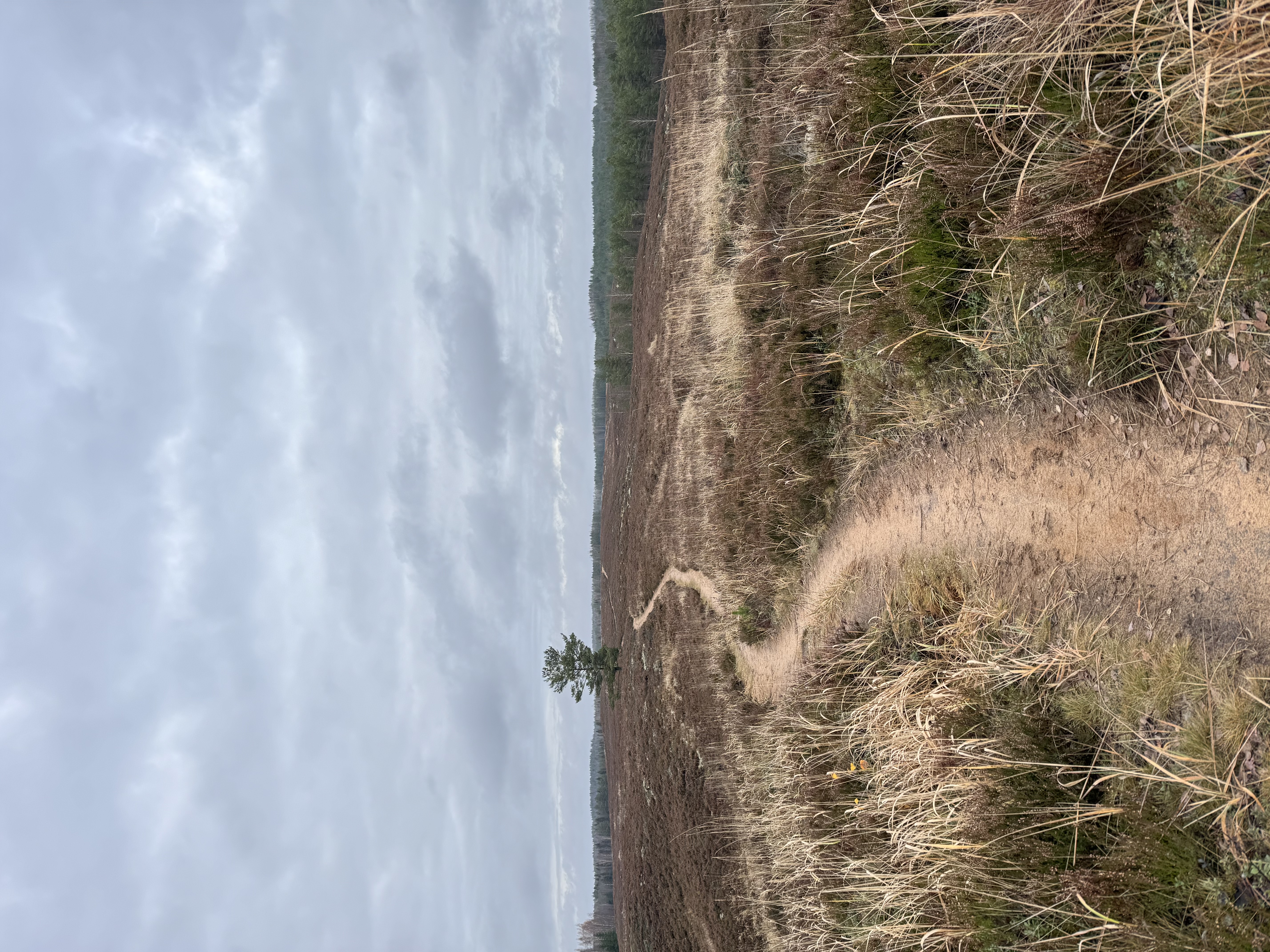
Traffic in Estonia is the opposite of Japan, meaning we drive on the right side of the road. This has never been a problem for me—I feel very comfortable driving on the left as well. I even passed the Japanese driver’s license exam on my first attempt. Perhaps this is because the driving exam in Estonia is quite strict and not easy to pass, so by the time I took the exam in Japan, I already had a strong Estonian foundation.
As a nation, Estonians are relatively similar to Japanese people. Estonians tend to be quiet and reserved, especially compared to Americans or Russians. For example, an Estonian can sit in a car with the other people for hours without saying a single word. Estonians also are not very emotional and do not openly show their feelings, we tend to live more inwardly. Opening up usually takes us a bit longer than it does for some other nationalities. Generally, Estonians become more talkative once they get to know someone better. Estonians are also hardworkingpeople, which nowadays unfortunately often leads to overwork.
One thing what surprised me when I moved to Japan: houses are very cold in winter. Here is not such thing as central heating what is usually in every house in Estonia. Here, in Tosacho, I became acquainted with oil-based heaters. They warm up a room quite quickly, but refilling the heater was a completely new experience for me. At first, I was rather clumsy and often spilled oil, and sometimes my home smelled like a gas station—including myself. By now, I have become quite skilled at it.
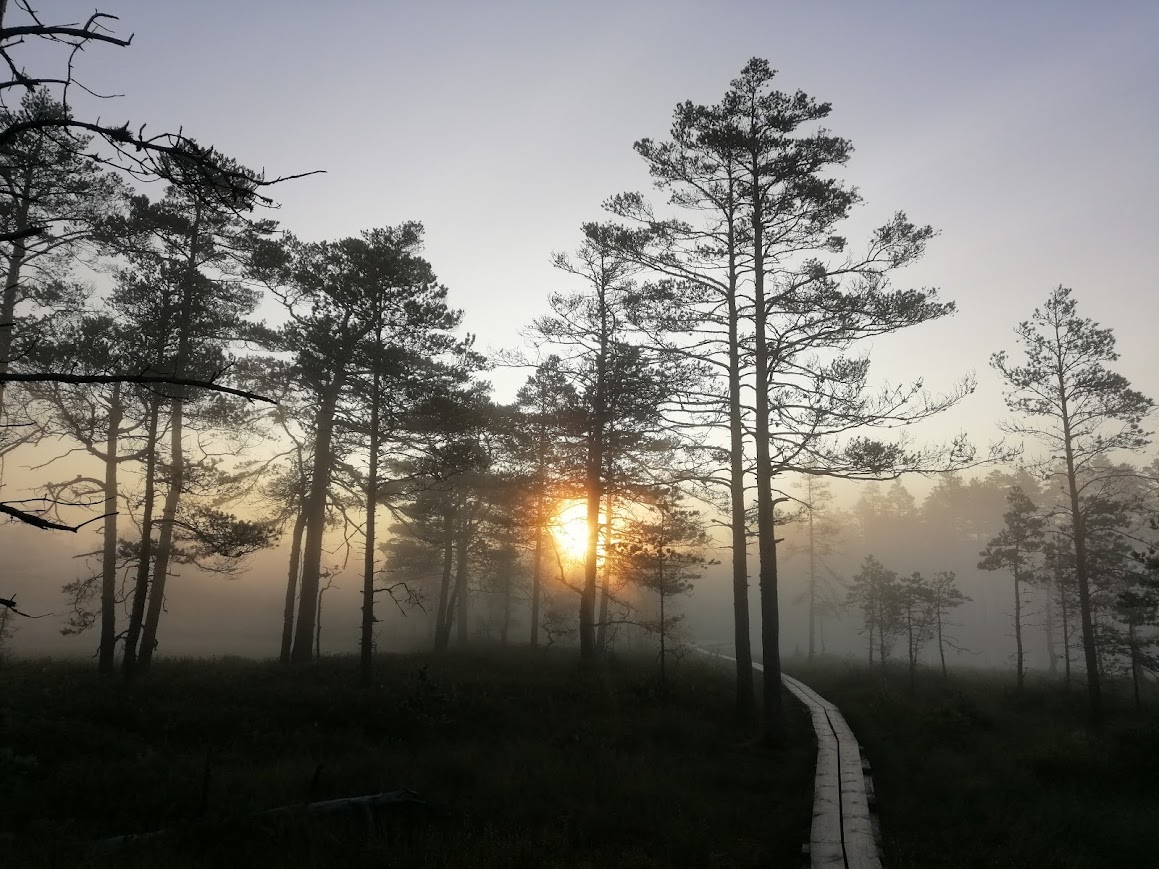
I believe most Estonians cannot imagine living through cold seasons the way many Japanese people do. In rural areas of Estonia there are also modest homes without central heating, where life can be quite similar. Many Estonian homes have fireplaces that provide warmth. Saunas and fireplaces play an important role in Estonia during the winter, both as sources of warmth and in a much broader sense. In a similar way as onsen and maki-stove for Japanese people.