うるさい
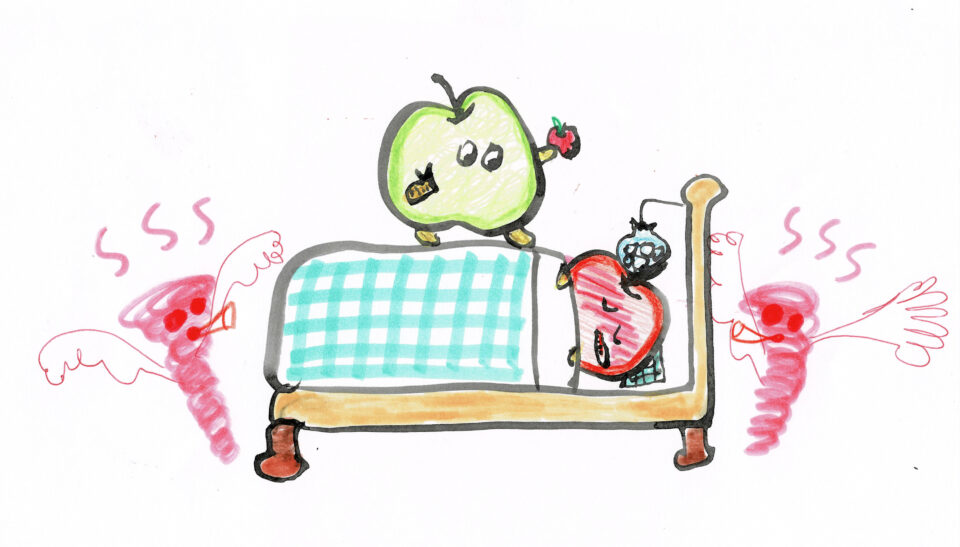
【形容詞】しんどい、体が重い
例:「熱があるかよ〜。そりゃ、うるさいろう」
著者名
記事タイトル
掲載開始日
【形容詞】しんどい、体が重い
例:「熱があるかよ〜。そりゃ、うるさいろう」
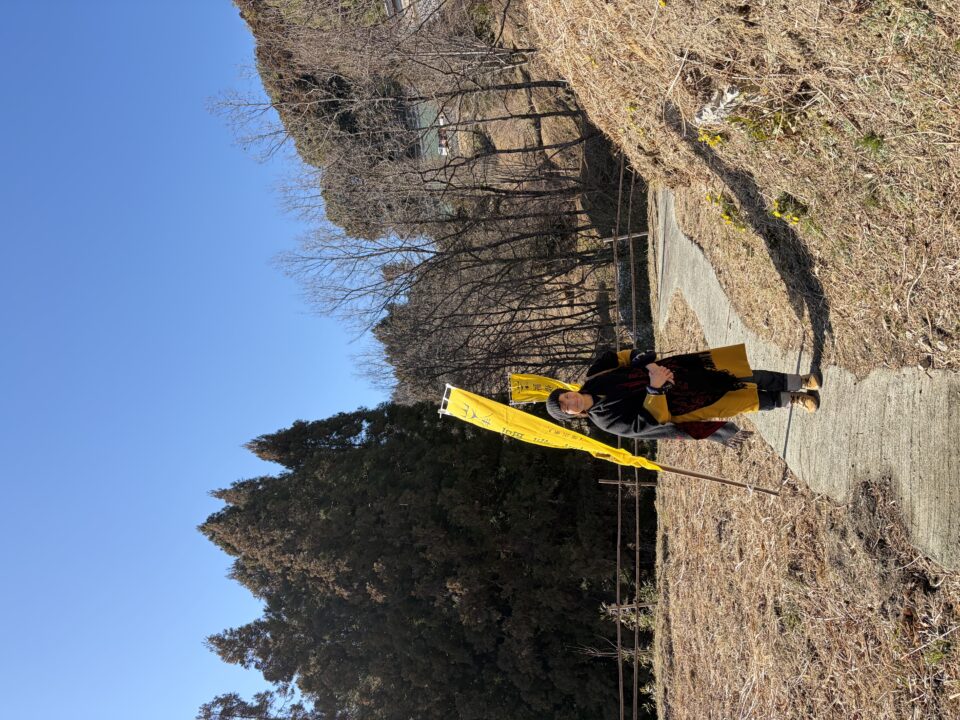
日本の自然と聞いて、多くのエストニア人、そして海外の人々がまず思い浮かべるのは、おそらく桜の花見でしょう。
私が日本に移り住んだとき、自然と向き合うこのような時間が、桜だけに限られたものではないことにすぐ気づきました。
数年日本で暮らすうちに、自然を「観る」ことそのものが、日本人の精神性の深い部分に根づいているのだと感じるようになりました。
桜以外にも、愛でられる花は数多くあり、時にはただ月を眺めたり、海の波を見つめるために人々が集うこともあります。
それらの時間はとても静かで、心を落ち着かせ、大地に根を下ろすような感覚をもたらし、人と自然とのつながりをより深いものにしてくれます。
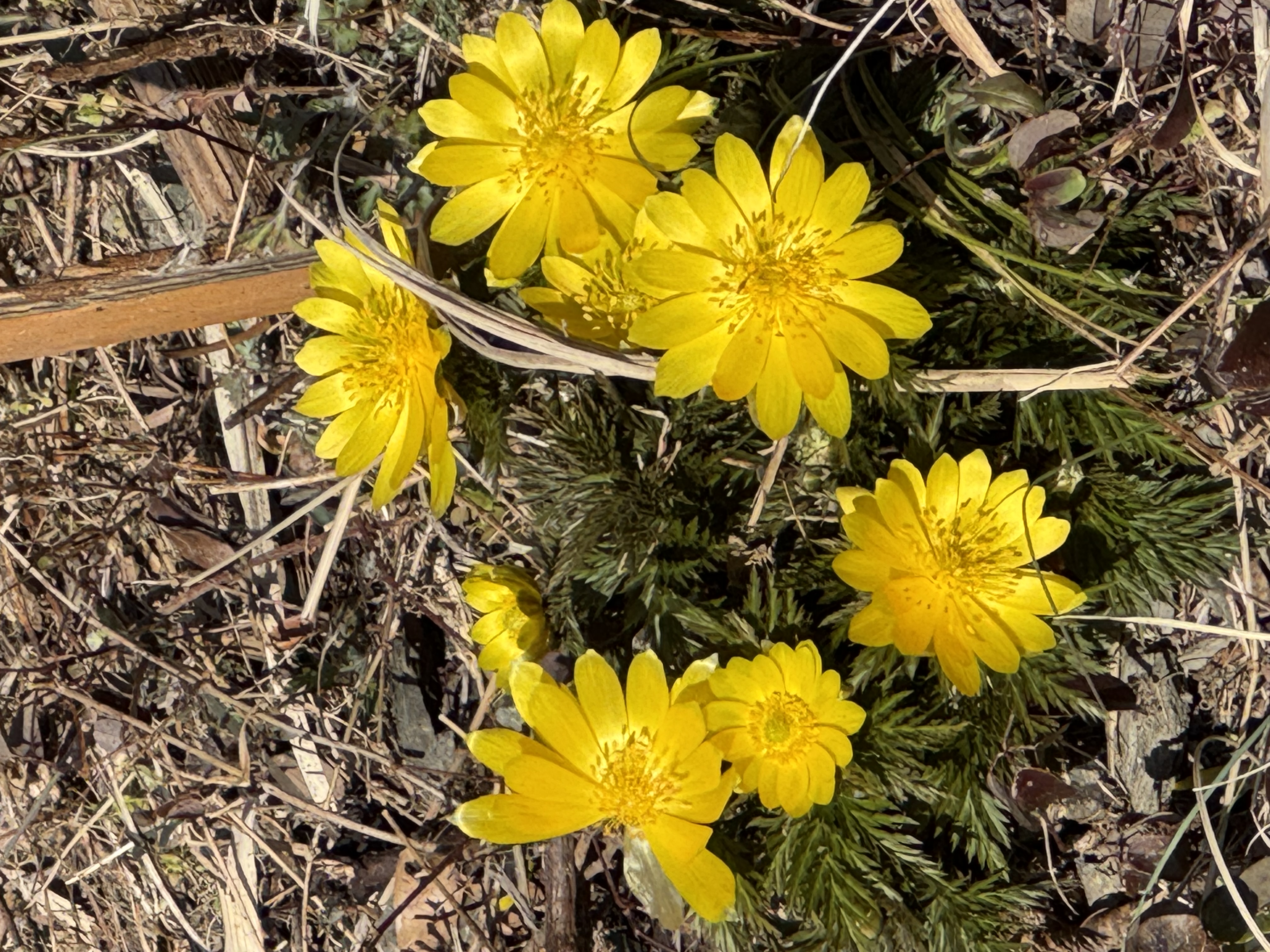
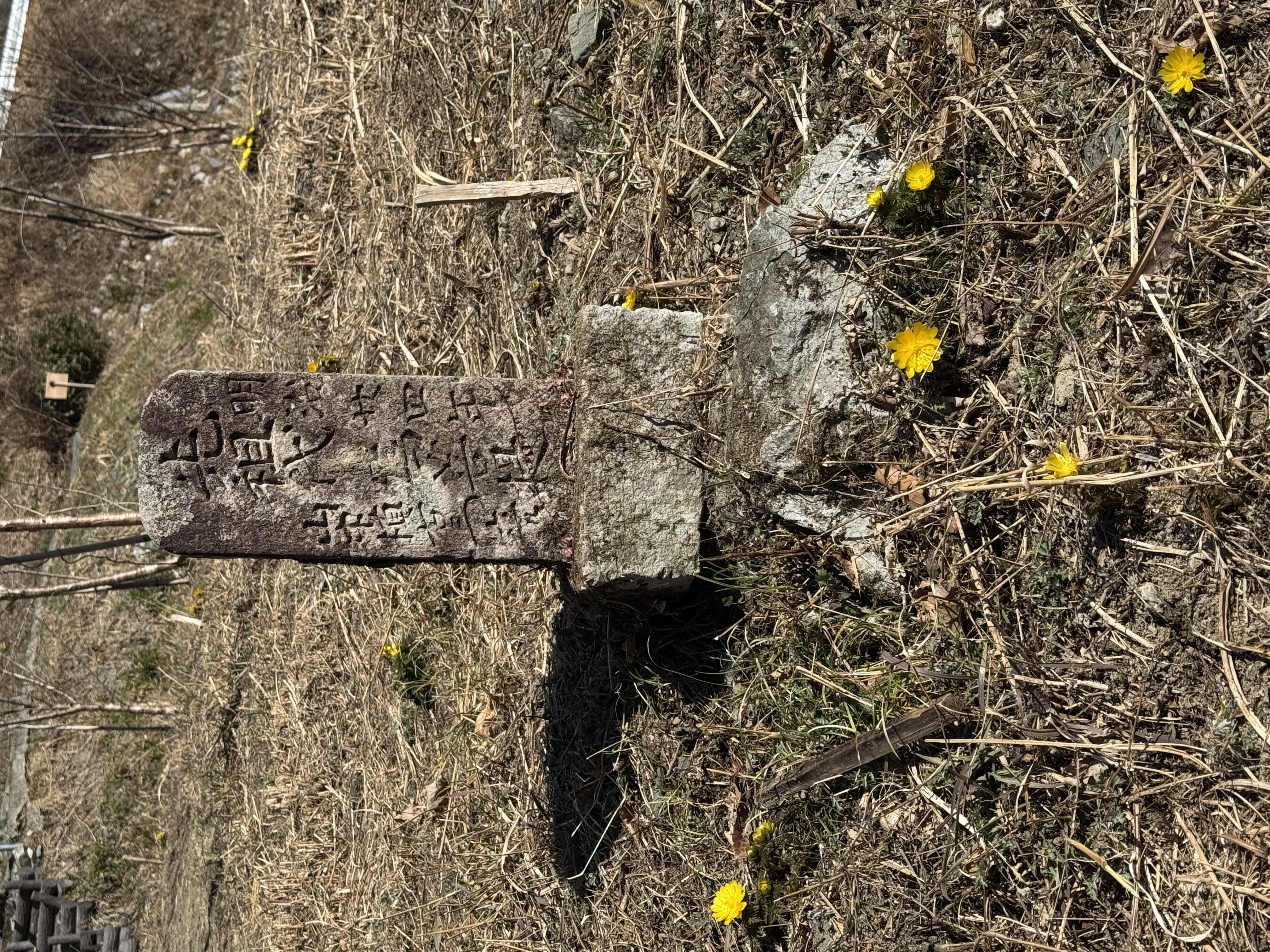
今回私は、フクジュソウ(福寿草)の花祭りを訪れ、小さく可憐な黄色い花々を鑑賞しました。
私にとっては二度目の訪問でしたが、毎回まったく新しい体験に感じられます。
それはきっと、花を見る私自身のまなざしや、気づく細やかなニュアンスが、時間とともに変化しているからなのでしょう。
この花について調べていくうちに、フクジュソウが日本においてとても象徴的な存在であることを知りました。
その名は「福」と「寿」――すなわち幸福と長寿を意味しています。
2月に咲く花でありながら、「春を告げる花」とも呼ばれ、雪を押しのけるようにして、鮮やかな黄色の花を咲かせます。
フクジュソウが象徴するもの:
新しい始まり
しなやかな強さ(レジリエンス)
幸運と生命力
またこの花は、新年の訪れや、光の戻りとも結びつけられています。
年の始まりに、この美しい花と向き合うことは、とても意味深いことのように感じられます。
自然とつながる時間は、いつも私を内面へと導いてくれます。
自分自身を、より意識的に見つめ直すきっかけを与えてくれるのです。
フクジュソウは、小さくてもたくましい花。
静かに、しかし確かに、こんなメッセージを宿しています。
「まだ冷たく、静かな季節の中でも、命は必ず戻ってくる。」
この小さく美しい花が伝えるメッセージは、やさしく、希望に満ちています。
Fukujusō Flower Festival
When thinking about Japanese nature, many Estonians — and people from other overseas countries — probably first imagine cherry blossom viewing. When I moved to Japan, I soon realized that this is not the only event that brings Japanese people into a presence in nature. After living here for a couple years, I have come to understand that observing nature is something deeply inherent to the Japanese spirit.
Alongside cherry blossoms, there are many other flowers to admire, and sometimes people gather simply to observe the moon or the ocean waves. This practice is calming, grounding, and creates a deeper connection between human beings and the natural world.
This time, I visited a Fukujusō flower festival to admire the small, lovely yellow blossoms. For me, it was already the second time. Yet each visit feels unique, because my own gaze — the nuances I notice in the flower — changes over time as well.
While learning more about this flower, I discovered that Fukujusō is a highly symbolic plant in Japan. Translated from Japanese, its name refers to happiness and longevity. Although Fukujusō blooms in February, this flower is also called the harbinger of spring. This yellow flower has no difficulty pushing its bright yellow blossoms up, through the snow.
Fukujusō symbolizes:
– new beginnings
– resilience
– good fortune and vitality
The flower is also associated with the arrival of the New Year and the return of light. It feels fitting to contemplate about this beautiful flower and the fresh beginning of the year.
Connecting with nature always invites me too to look more consciously within myself as well.
Fukujusō is a small but hardy flower, carrying a quiet message:
“Life returns even when it still feels cold and silent.”
The message of this tiny, beautiful flower is supportive and full of hope.
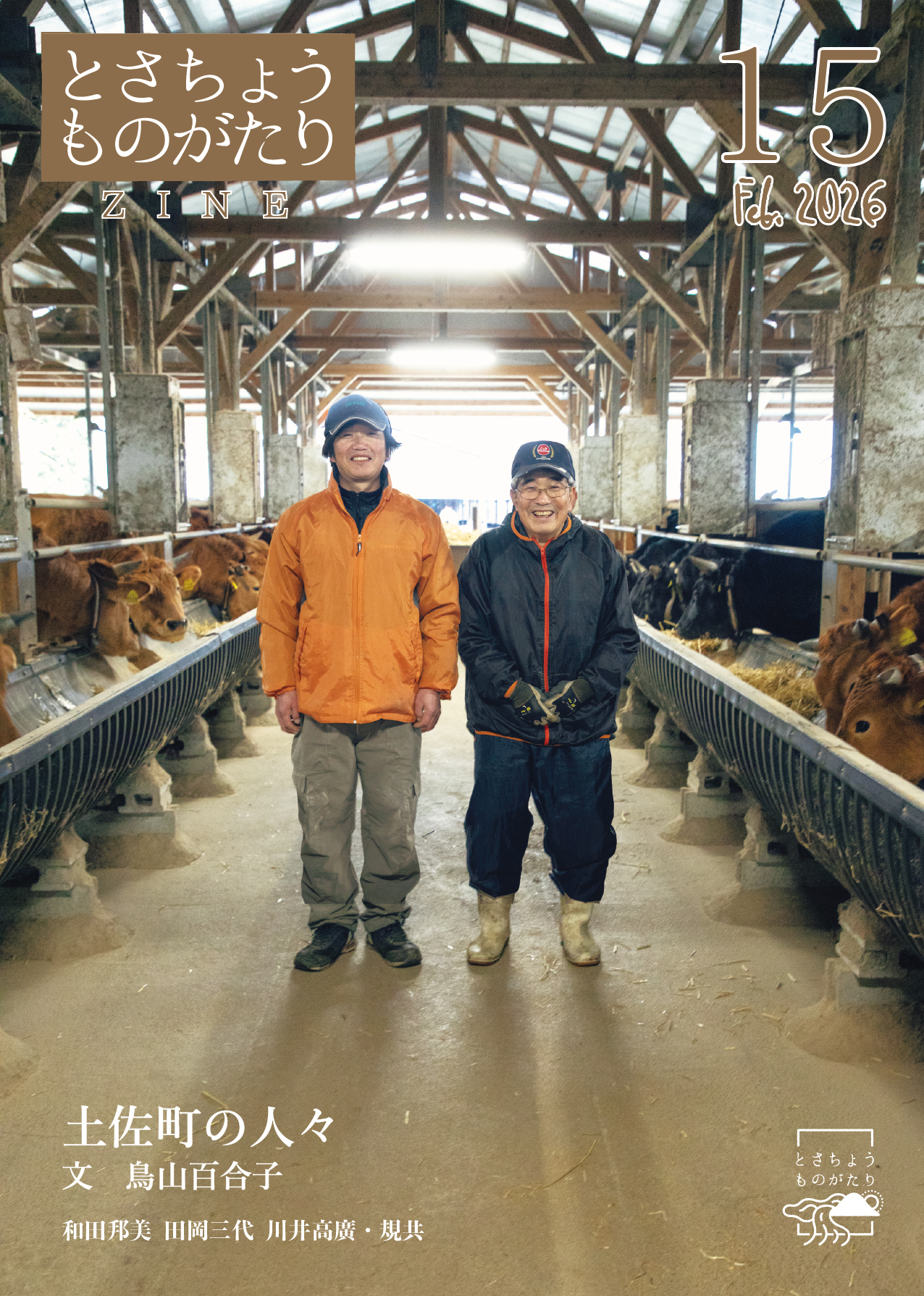
とさちょうものがたり ZINE 早くも15号目になりました。 今号は前14号に続き、「土佐町の人々」文・鳥山百合子です。
土佐町の方々3組のお話を伺い、そのライフストーリーを深掘りするという特集号です。
こんな気持ちで作ってます笑
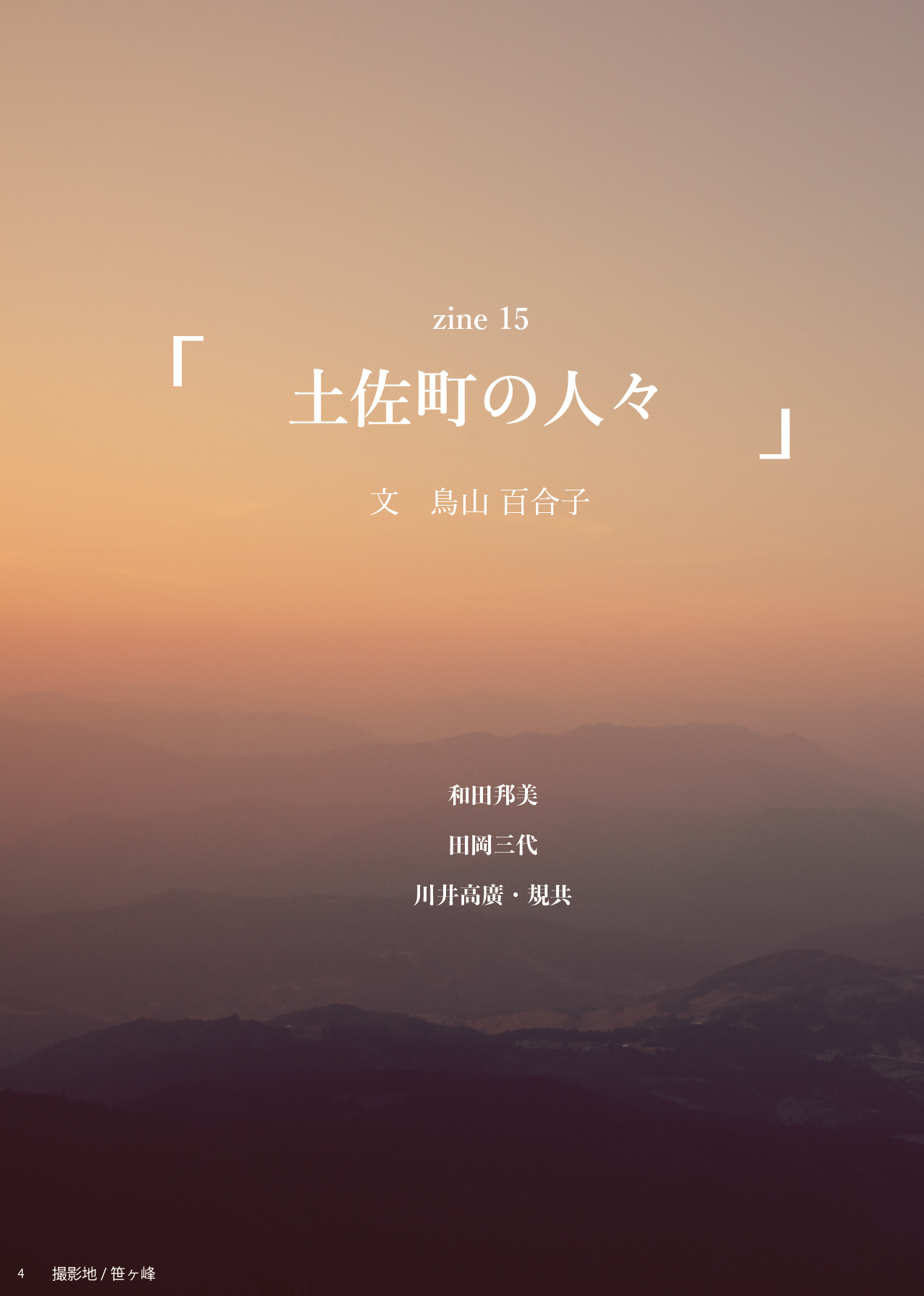
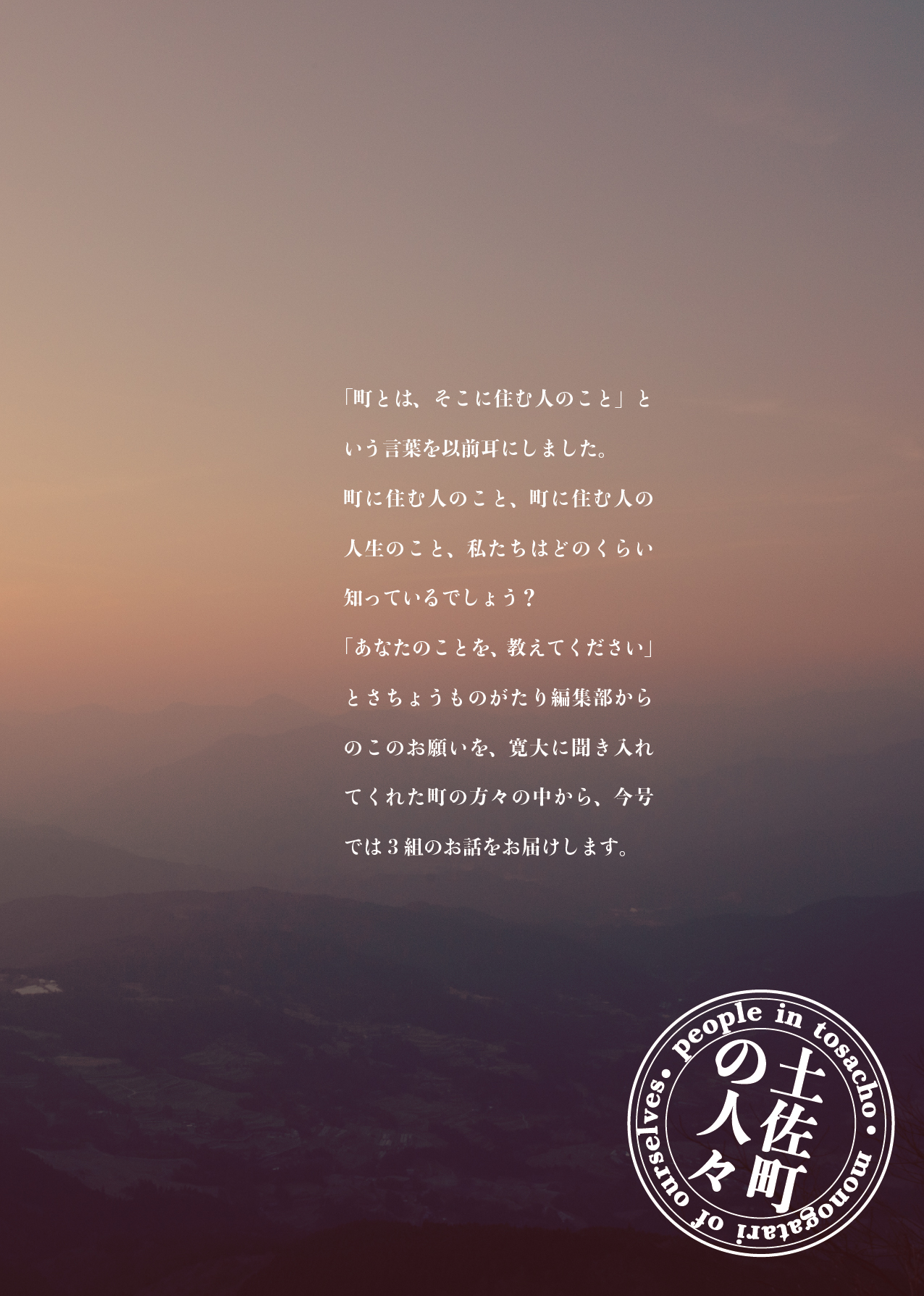
今号でご紹介する3組とは、和田邦美さん・田岡三代さん・川井高廣さん規共さんの3組です。
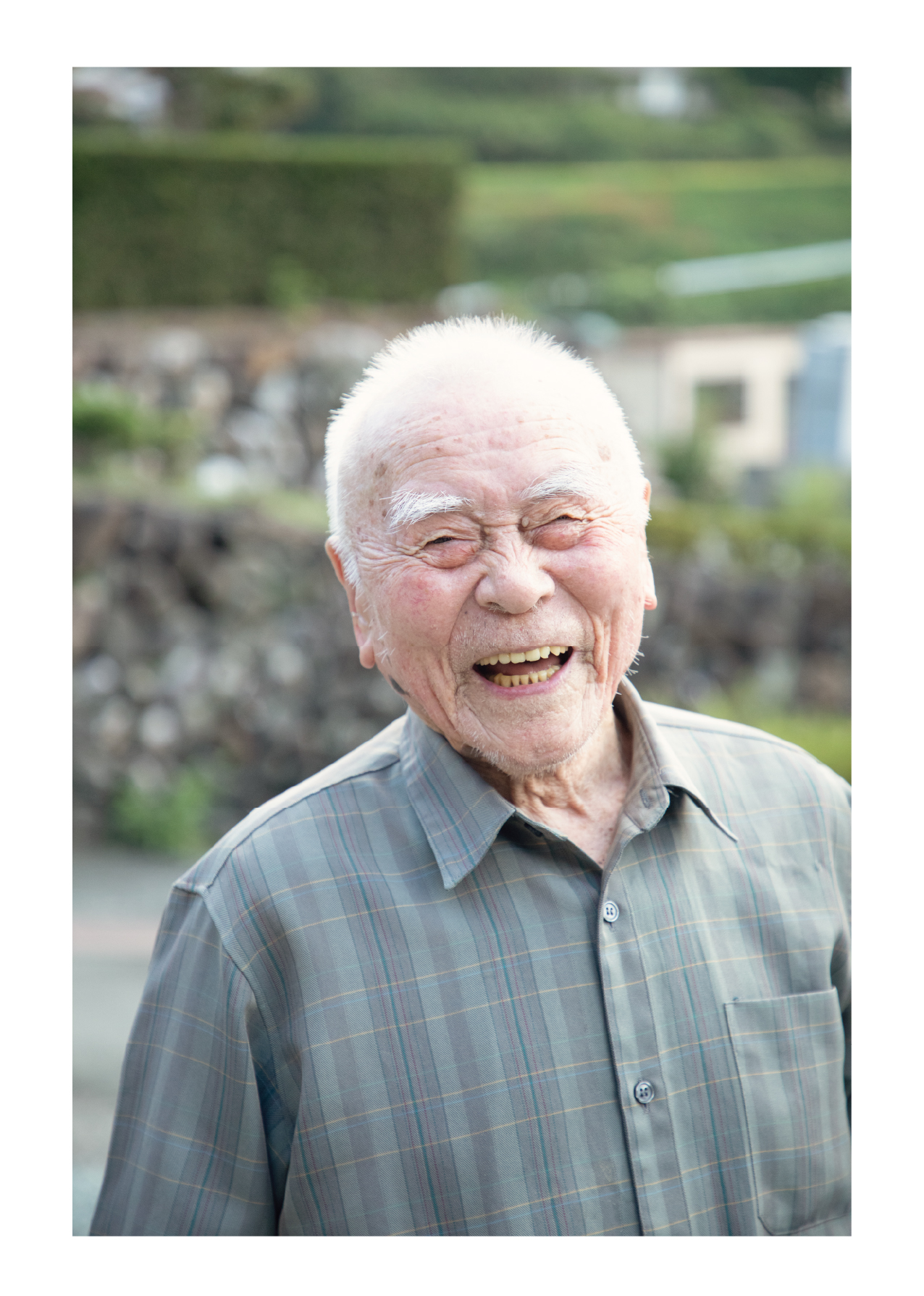
和田邦美さんにはビルマでの戦争従軍体験を語っていただきました。
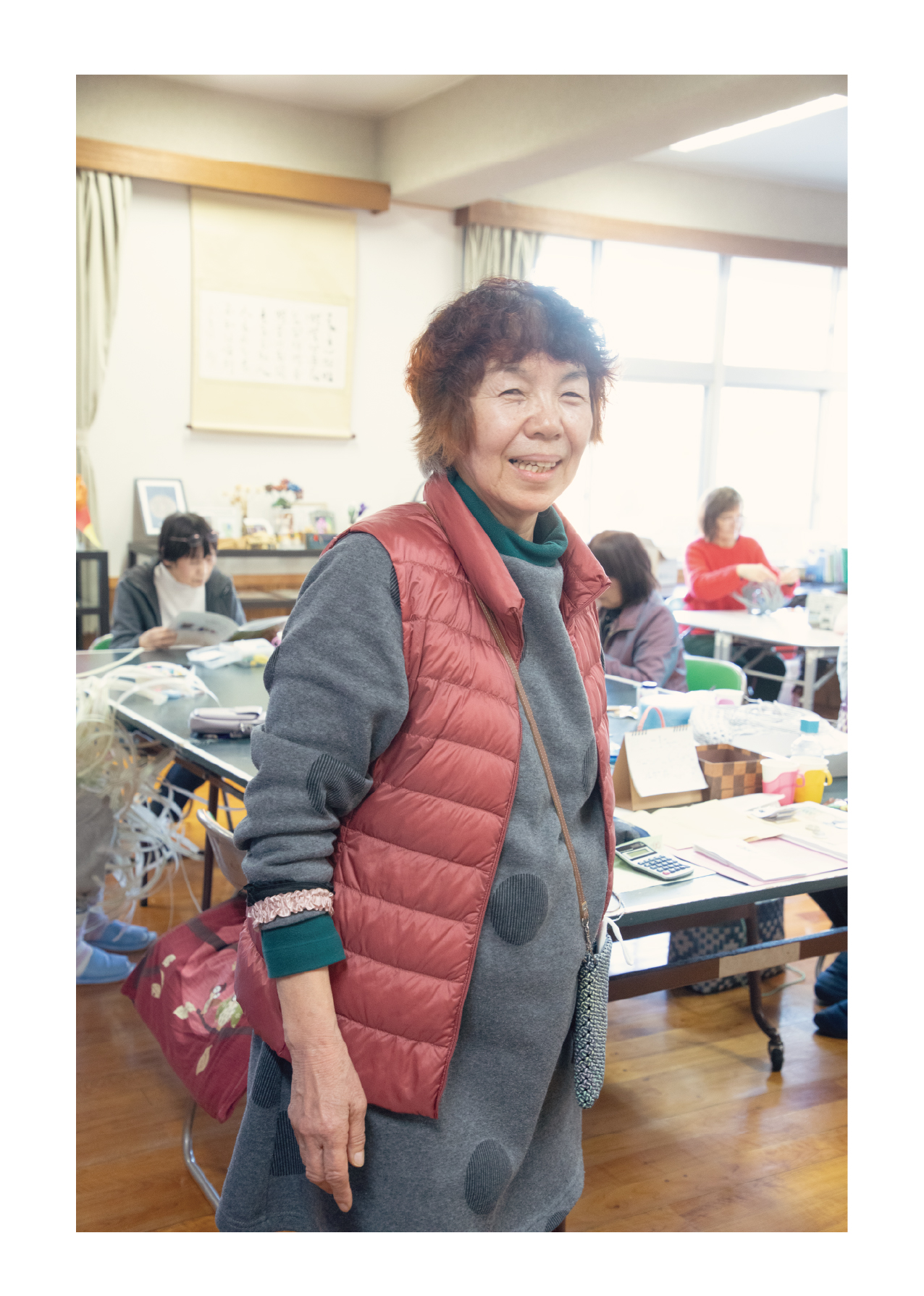
2番目の田岡三代さんは、現在「青木幹勇記念館(旧森小学校)」でたくさんの人に囲まれながらお仕事をされていますが、ここに至るまでの人生のお話を。
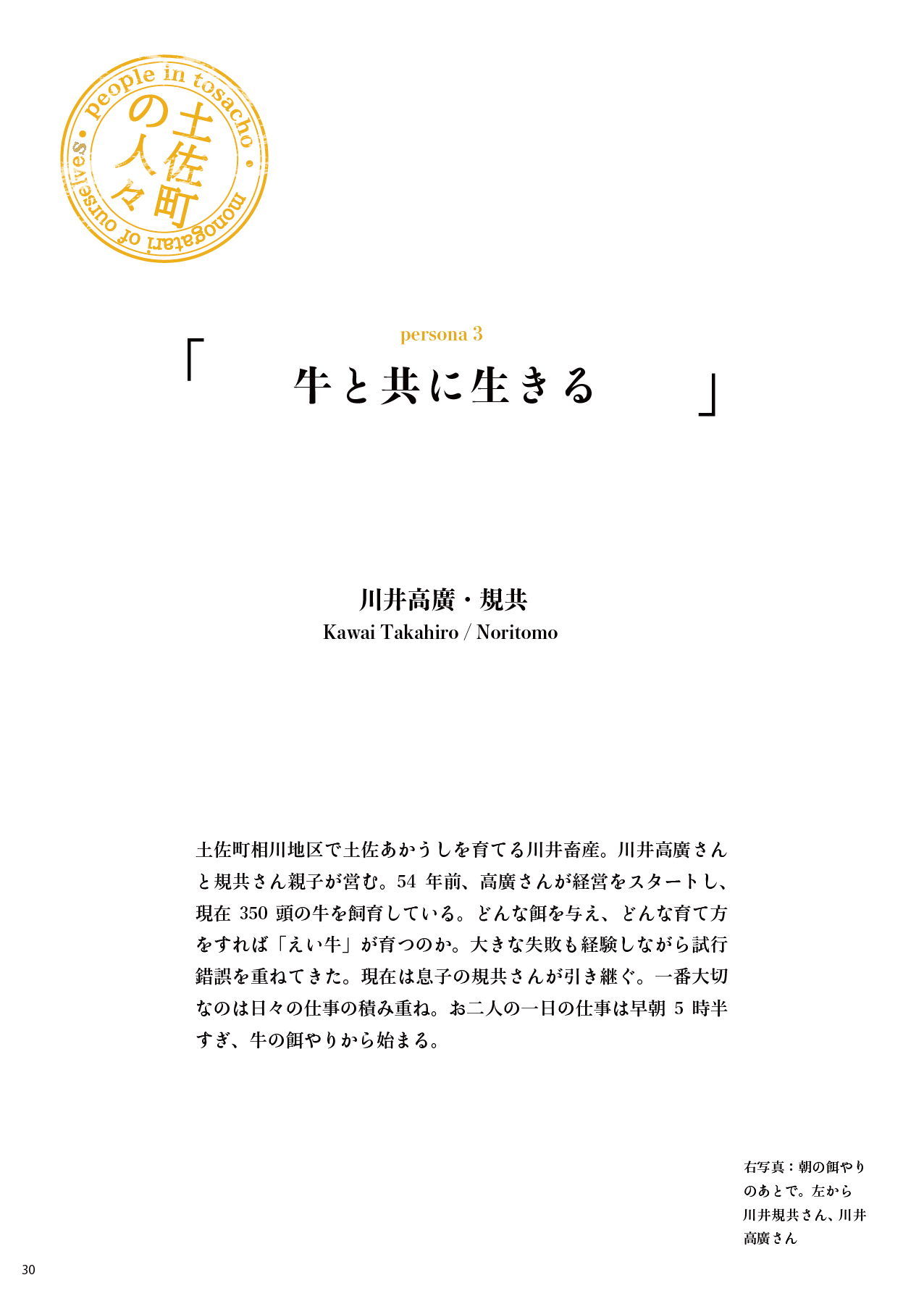
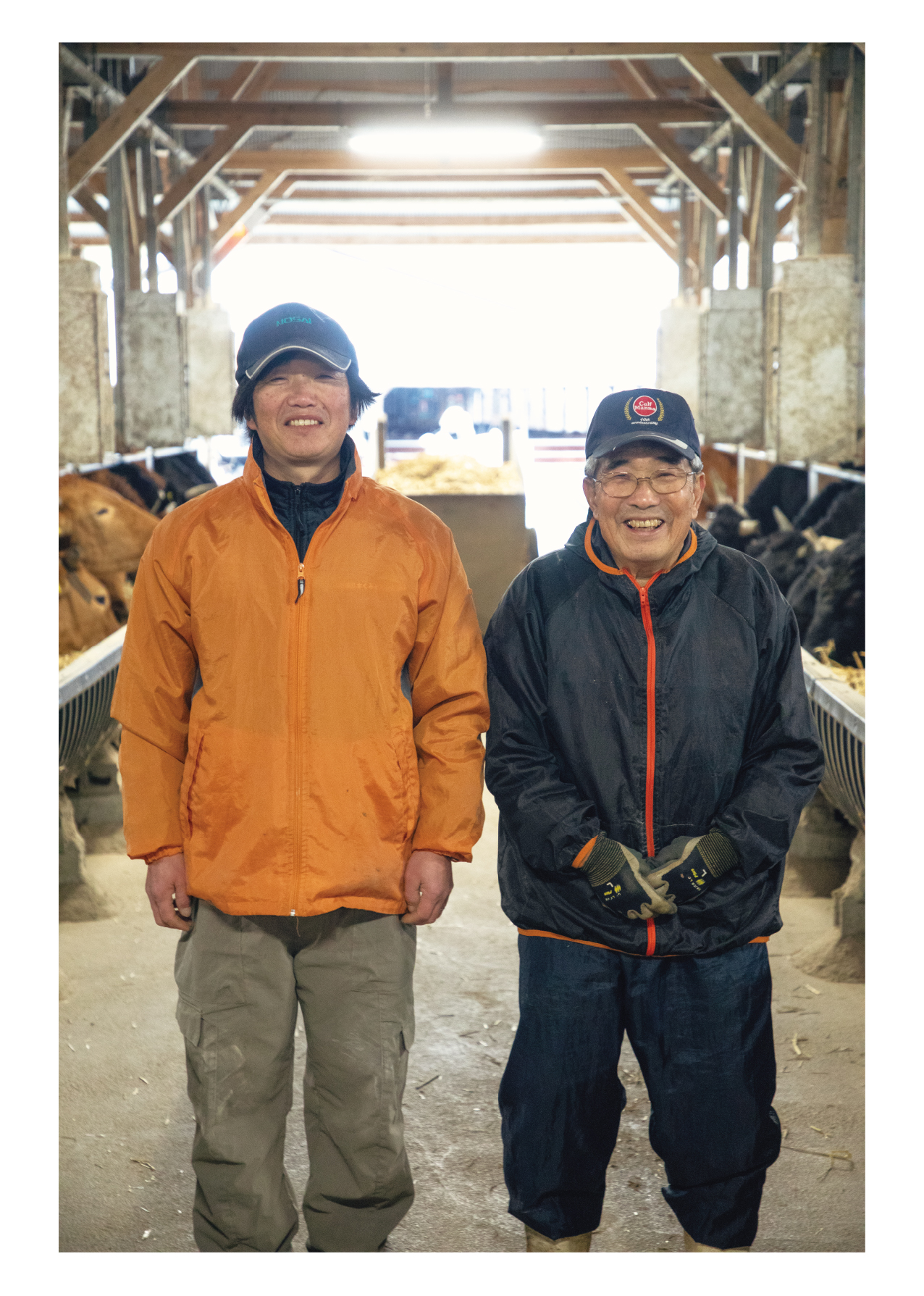
3番目の川井高廣さん規共さんは、相川地区のあか牛生産者さん。高廣さんが始めて2代目の規共さんが引き継ぐ川井畜産の今と昔、を伺いました。
発行は2026年2月20日(金)、そして土佐町の住民の皆さまには、地区長さんを通じてすぐにお手元に届くと思います。
土佐町外の皆さまには、少し時間はかかるかもしれませんが、いつも通り県内・県外さまざまな施設・店舗で配布しますので楽しみにしていてください。
*詳しい配布場所は以下のリンクから確認できます。
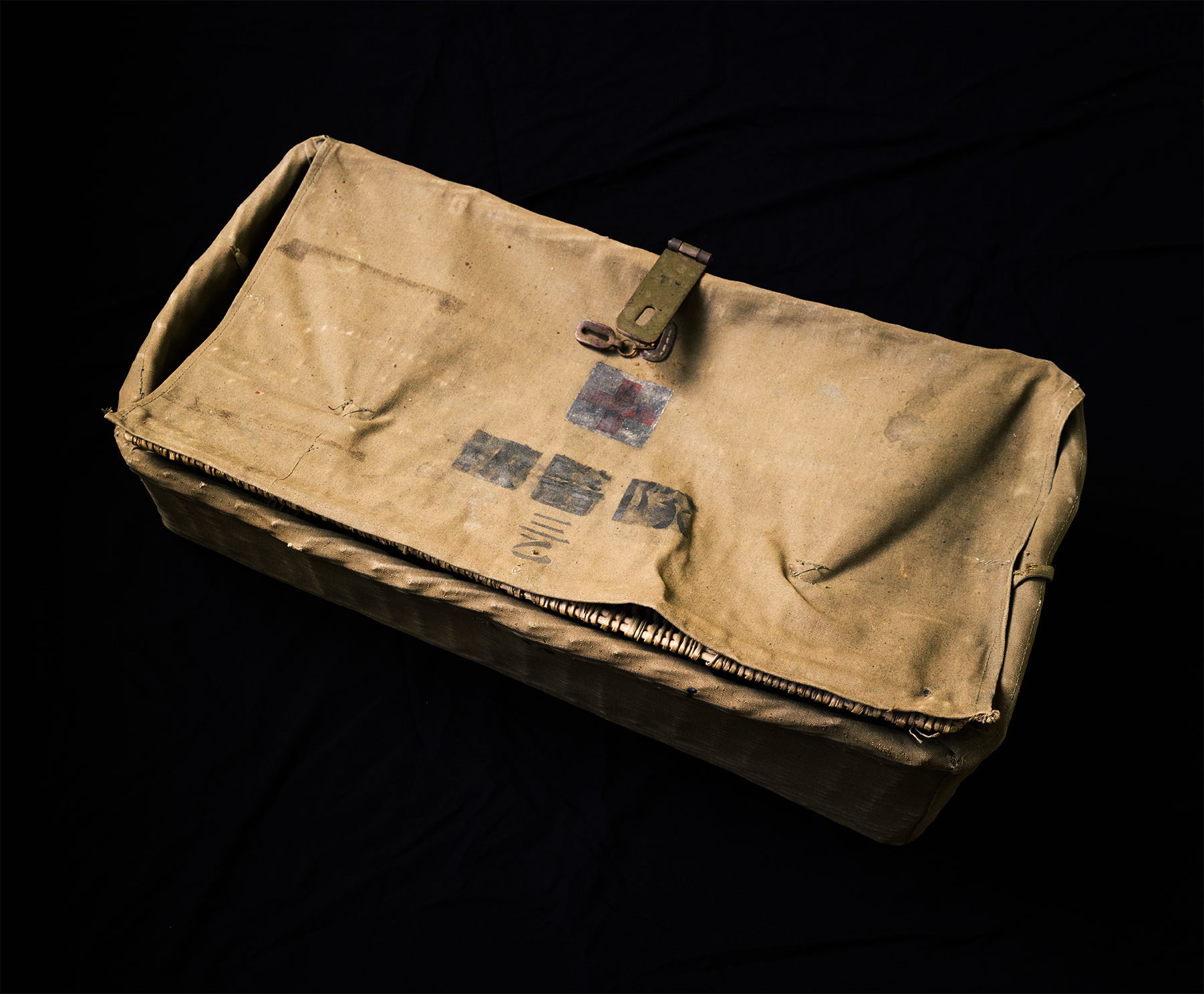
ある衛生兵の遺品② 宮村長兵衛(みやむら・ちょうべえ)
日露戦争の時に衛生隊の備品だった「行李」
「隊醫极 三乙」とある
これは滅多にお目にかかれない収納箱だ。
昨年度、「手回し洗濯機」とともに町内の宮村さんからいただいたもの。
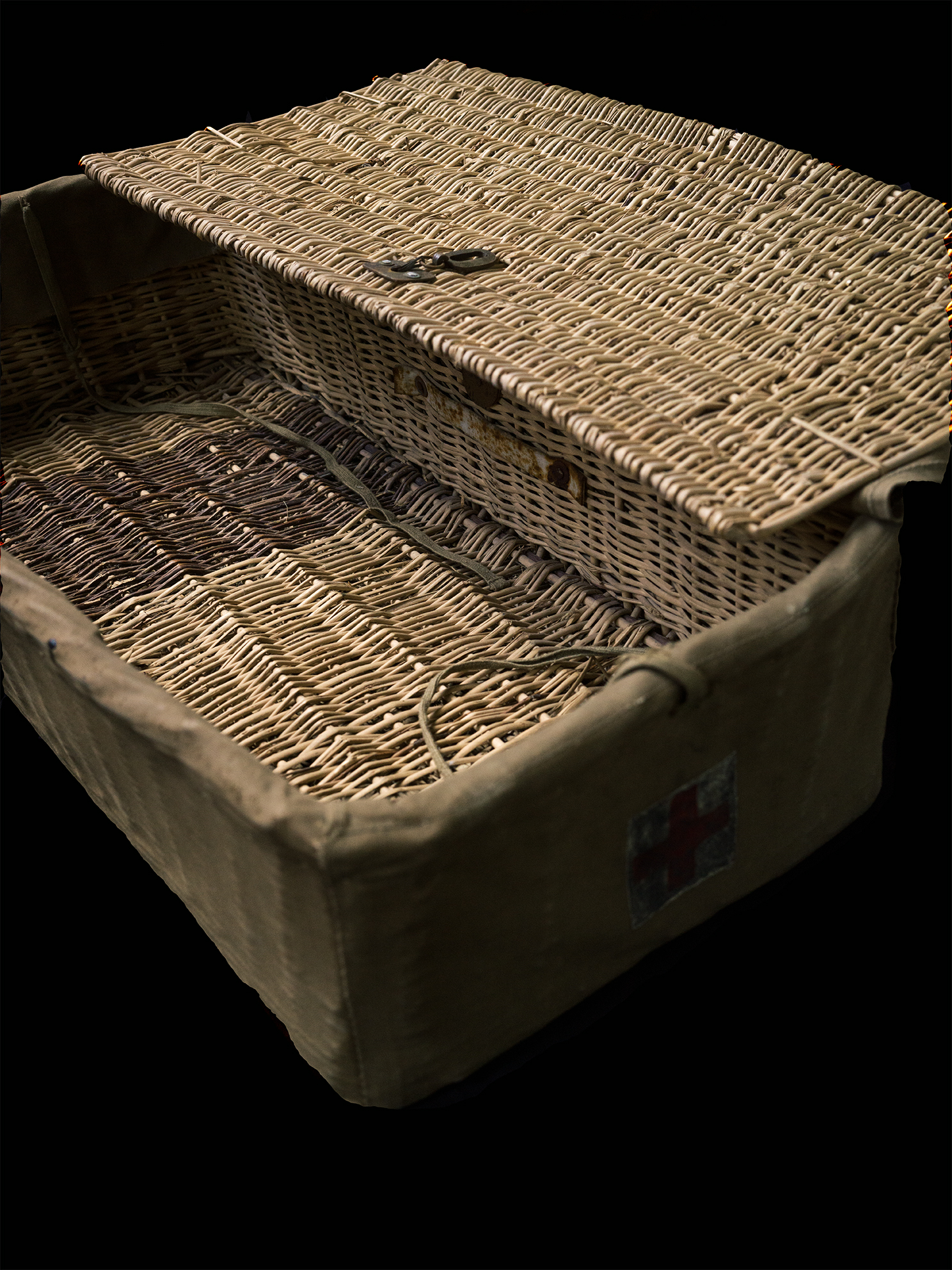
上蓋を開けると内部の様子がよく分かる。
竹で編まれた「行李」がカンバス帆布地の布で覆われている。かなり頑丈そうなので風雨に耐えられるし、乱雑に扱っても簡単には壊れそうもない。
外側に「隊醫极 三乙」(たいいきゅう さんおつ)と印字されている。
「三乙」は恐らく大きさを示す規格で、「隊醫极」は備品名なのだろう。
宮村隆志さんのお話によれば、この資料の持ち主は、祖父の長兵衛さんだという。長兵衛さんは、旧森村の第12代村長で、助役も長く務めた地元の名士だった。(1)
宮村家では「日露戦争の時のもの」として長く保存されてきたというから、従軍した長兵衛さんが戦地から持ち帰ったもののようだ。(2)
本格的に調べてみると、この「行李」は旧日本陸軍で使用されたものだった。そして、「赤十字」が3箇所に縫い付けられていることから、戦闘部隊ではなく「衛生隊」の備品であることも分かった。
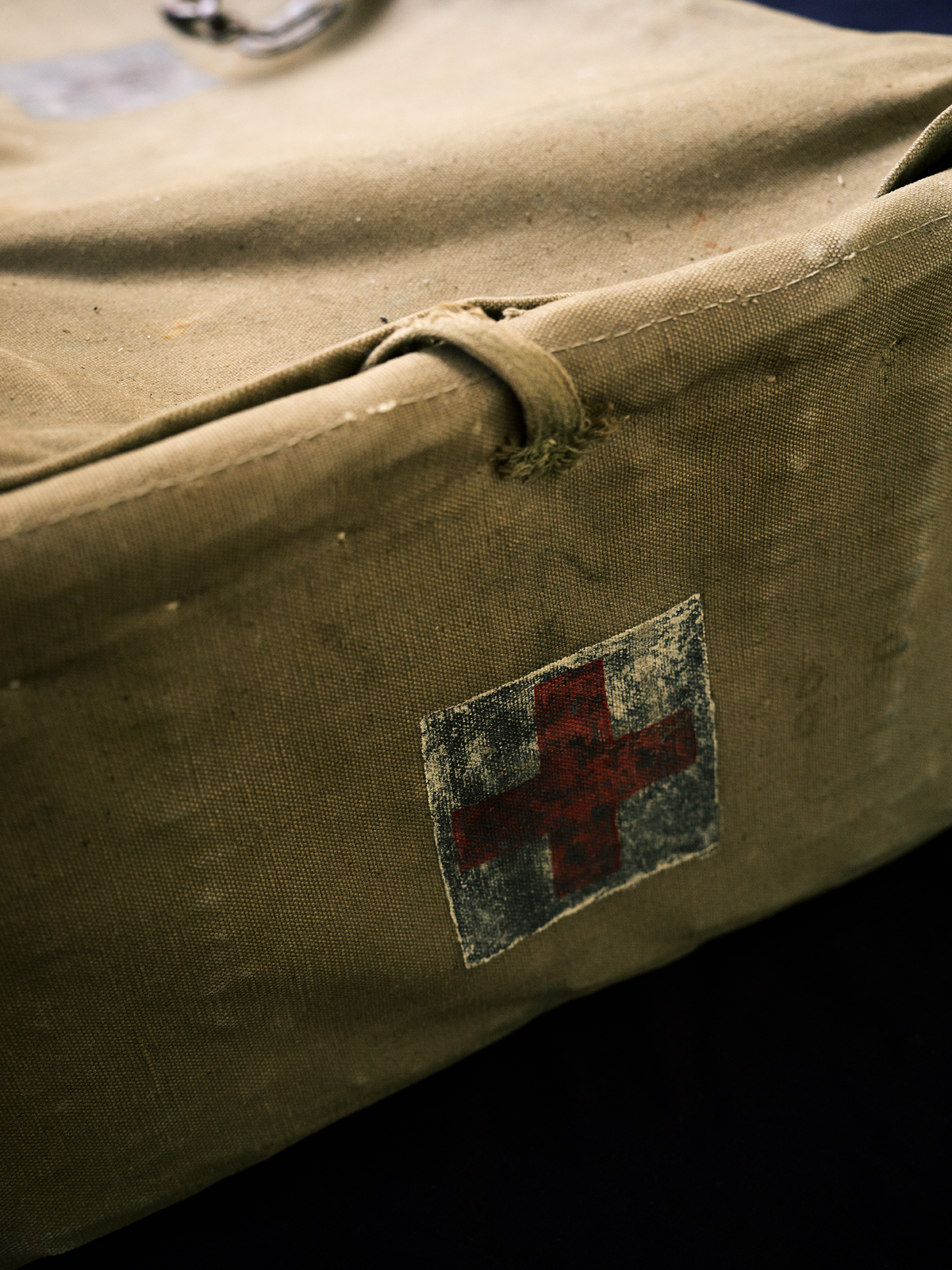
「醫极」とは、旧陸軍の衛生隊が携行した「行李」を指す。外箱は木製か革製で、衛生勤務に用いる医療機器や消耗品を収納した。
衛生隊では、「大行李」に炊飯具と糧秣(食料)を、そして「小行李」には衛生材料(消毒液や包帯)・患者被服・毛布・蚊帳・野戦用天幕を入れたという。
この資料は、その大きさから見て「小行李」と思われるから、上記の「容れ物」として戦場を行き来したに違いない。
「隊醫极」(行李)のような衛生隊の備品を一般の兵士が所有することはあり得ないから、長兵衛さんは、高知の郷土部隊・歩兵第四十四連隊所属(3)の「衛生兵」だった可能性が高い。
第四十四連隊では、職業軍人・予備役の区別なく、兵科が衛生隊所属と決まれば、大半が「高知衛戍病院」(高知陸軍病院)に送られ基礎訓練を受けた。実際、私の祖父もそうだった。
昭和4(1929)年のジュネーブ条約で、「衛生部隊及びその施設は交戦者によって保護される」(第6条)とされ、国際的に衛生兵が「非戦闘員」として規定された。
しかし、実際にはどれだけその理念は守られたのだろう。
この資料、よく見ると「赤十字章」の部分が黒くくすんでいる。
どうやら意図的に塗りつぶしたようだ。
「博愛」の象徴でもあるこの標章を、敢えて塗り潰したのが持ち主本人だったのなら、その理由を聞いてみたいと思うのは私だけだろうか。
註
(1)『森村史』(森村役場 昭和30年)では、村長在任期間を大正8年9月5日から同12年2月18日とするが、現存する「村議会議事録」によれば、大正10年2月の段階で15番議員、7月から2番議員(議事録署名議員)として活動しているから、全期間村長であったかどうかは不明。昭和12年6月からは、名誉助役に推薦され時の村長・志和守重を支えた。また、同13年2月26日の村会では、6人の地元出身兵の遺骨が帰還するため、議会の臨時休会を提案し、送迎に出た様子も記録されている。
(2)現在、宮村長兵衛が日露戦争に従軍した記録は確認されていない。だが本人が旧森村役場に提出した履歴書によれば、「明治38年3月11日陸軍二等看護長」任官とある。
(3)第四十四連隊は有名な乃木大将の第3軍に属し、旅順のロシア軍要塞攻撃にも参加。全期間を通じ2,287名の戦死者を出した。また多くの負傷兵が野戦病院に収容されたが、脚気にかかる者が続出し、死亡率も高かったという。以後、戦争における「衛生」の在り方が議論されるようになった。
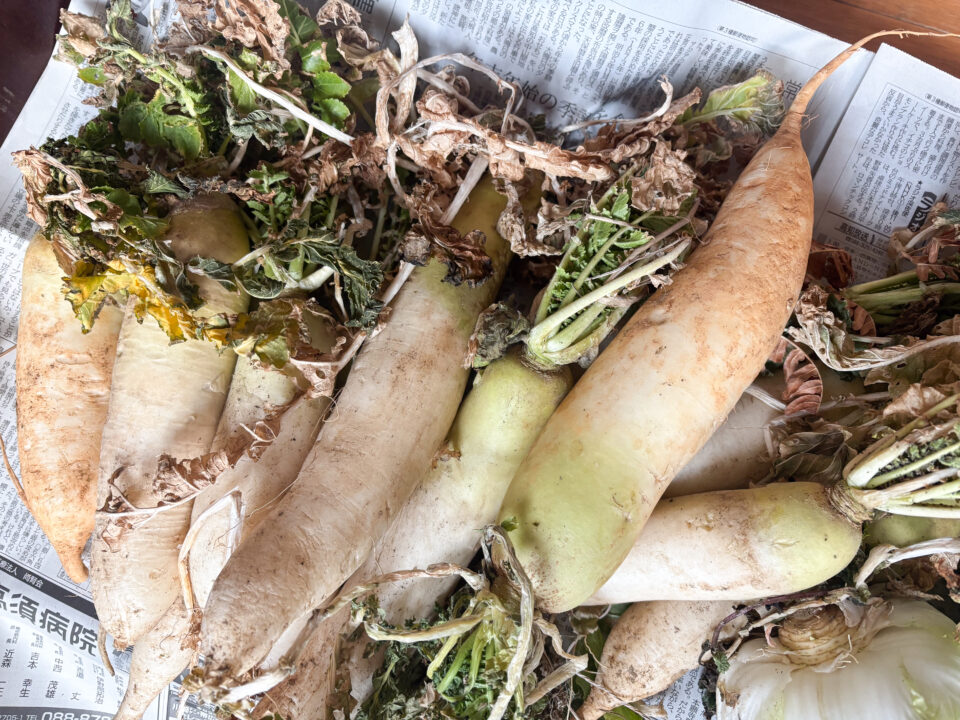
玄関先に山積みにされていた大根は、手に取るとひんやりと冷たかった。
二、三本ずつ家の中に運び込む。葉の一部は黄色くしんなりしていて、葉に近い大根の白い部分は皮が一枚、薄くひらりと剥けている。大根についた土はまだ少ししっとりしていたから、この大根たちは先ほどまで畑にあったものだろう。この山盛りの大根で、切り干し大根を作ろうと思いたった。
夜、大根をくれただろう人にお礼を言うために電話をした。やはり、大根を持ってきてくれたのはその人だった。切り干し大根を作ろうと思う、と話すと、「ああ、そりゃあえい。今日みたいにひやーい、北風がうんと吹く日やったらよく乾くき、えいぞー」 と言った。
「もう大根はおわりやき、全部抜いたんよ。へごでわるいけんど」。大根が「へご」だなんてとんでもない。
この地の人は、雪でも雨でも曇りでも山々のあいだで働く。大根の畑でふと顔を思い出してくれたのだろうか。そのことが何よりありがたいなと思う。
切っても干してもなかなか大根の山は崩れない。近所の友人に3本お裾分けした。友人はとてもうれしそうに受け取ってくれて、私もとてもうれしくなった。
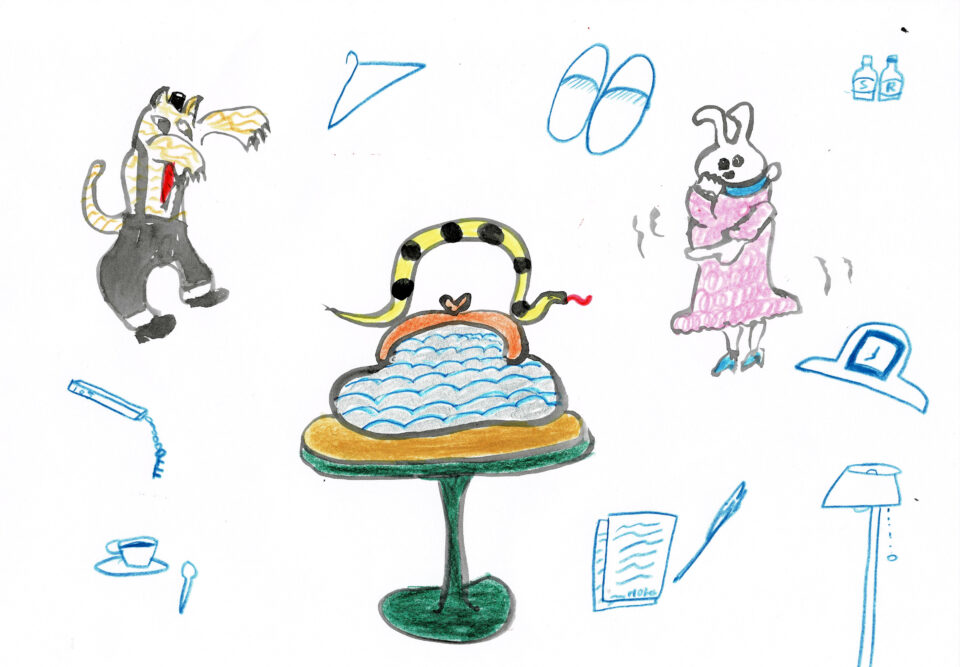
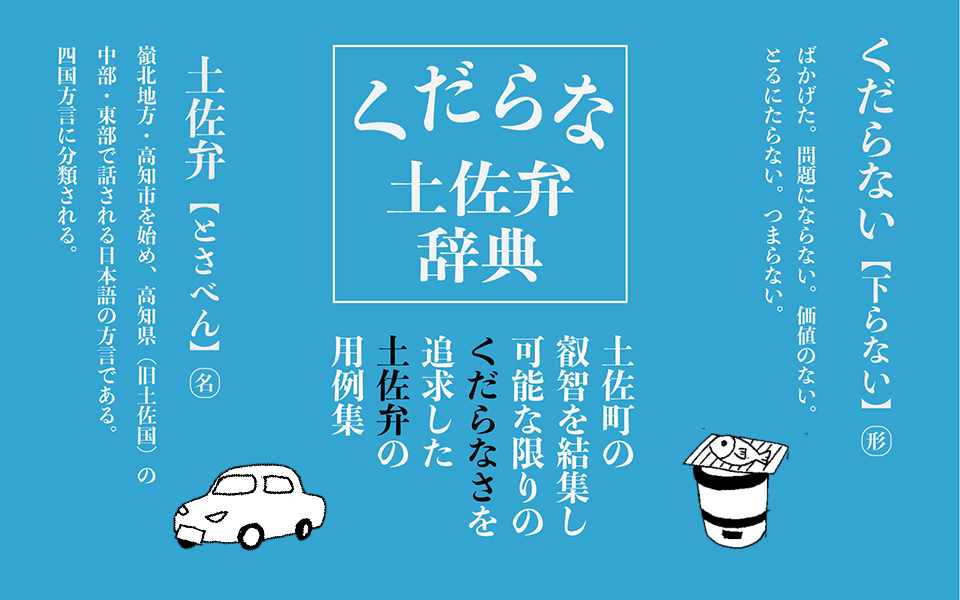
【名詞】まむし
例:こんなところにはめがおるき、取ってや
意味:こんなところにまむしがいるので、取ってください。
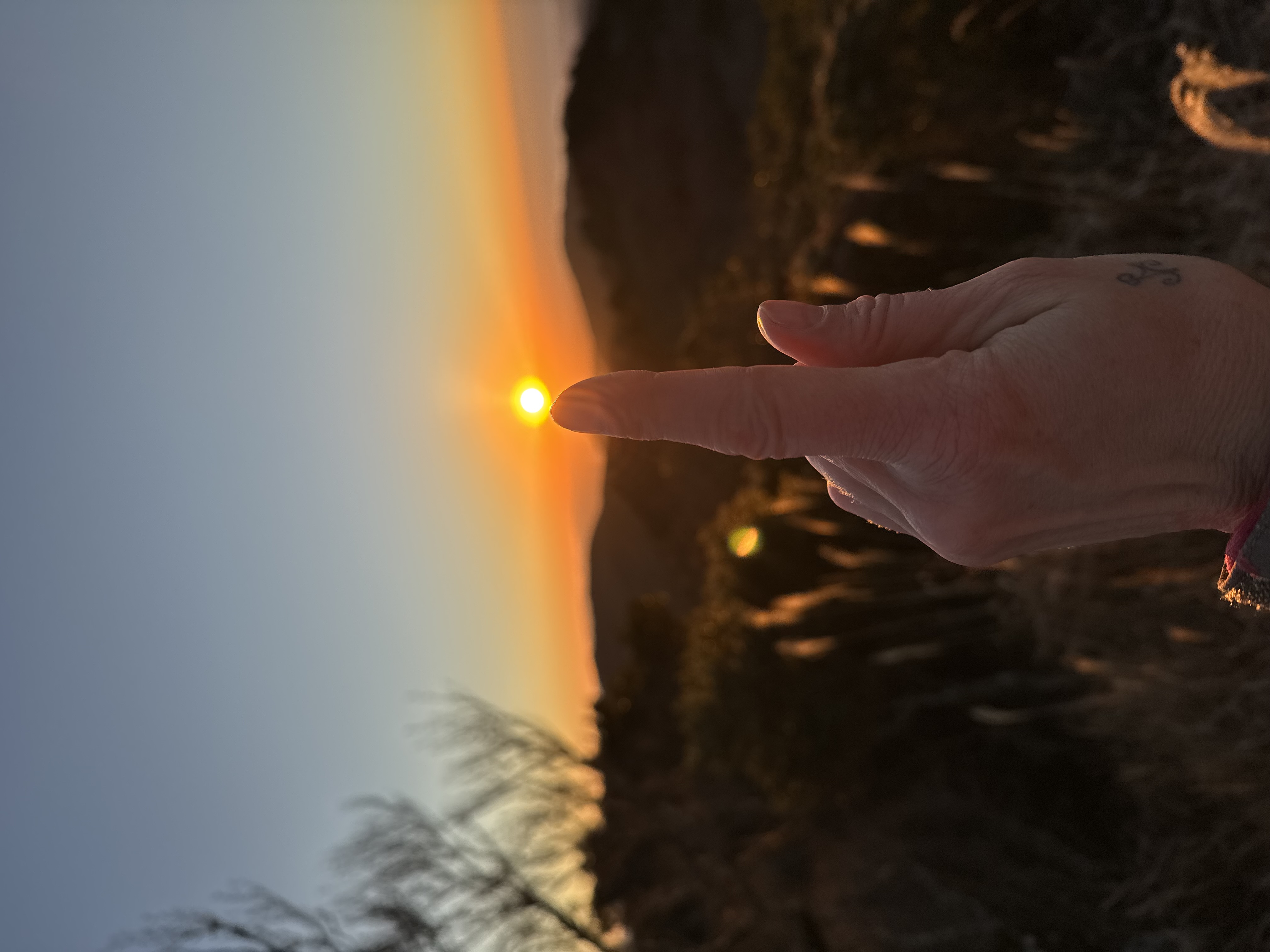
私が初めて日本で大晦日を迎えたとき、深い静けさに驚かされました。
花火はなく、騒ぎもなく、ただ澄んだ空気だけがそこにありました。
土佐町に暮らしていると、ほとんどの祭りで花火を見るだけに、その静寂はなおさら印象的でした。
エストニアでは、新年は光と音に包まれます。
花火、音楽、踊り、歌声——
新年は祝祭と高揚の中で迎えられます。
けれど日本の大晦日の静けさは、私の魂にそっと触れるようでした。
それは「祝う」というよりも、「整える」時間。
沈黙の中で自然とつながり、静かに新しい年の気配を迎え入れる。
それは私にとって、とても自然で、深く安らぐ在り方でした。
そして私は、それを土佐町で体験したのです。
1月1日は、新しい宇宙の循環の始まり。
それは一年の「霊的な扉」が開く瞬間のように感じられます。
行動の前の静けさ。
動き出す前の内なる調律。
日本では、本当の「始まり」は春、4月に訪れます。
新学期も、会計年度も、その季節に動き出す。
それまでの時間、人々は神々と向き合い、自然と結び直し、
内なる世界を静かに整えていきます。
私もまた、その流れの中に身を置いていました。
ヨーロッパでは、会計年度は1月に始まり、
学校は秋に始まります。
時間の区切りは制度によって決められ、
自然のリズムとは必ずしも一致しません。
私は、自然のリズムとともに生きることを大切にしています。
内なる感覚に身を委ねると、身体そのものが緩んでいくのを感じます。
日本にはサマータイムがなく、時計は一年中変わりません。
その代わりに、光、季節、気温、風、自然そのものが
人のリズムを導いています。
だからこそ、日本にいると、身体が深く安らぐのです。
エストニアでも、私は自然の中で生きていました。
森を歩き、海辺に立ち、湿原に足を運ぶ。
大晦日や元日に自然の中にいることも、特別なことではありませんでした。
けれど、「新年最初の太陽の光」を
自然の中で迎えたのは、人生で初めての体験でした。
それが、日本の1月1日でした。
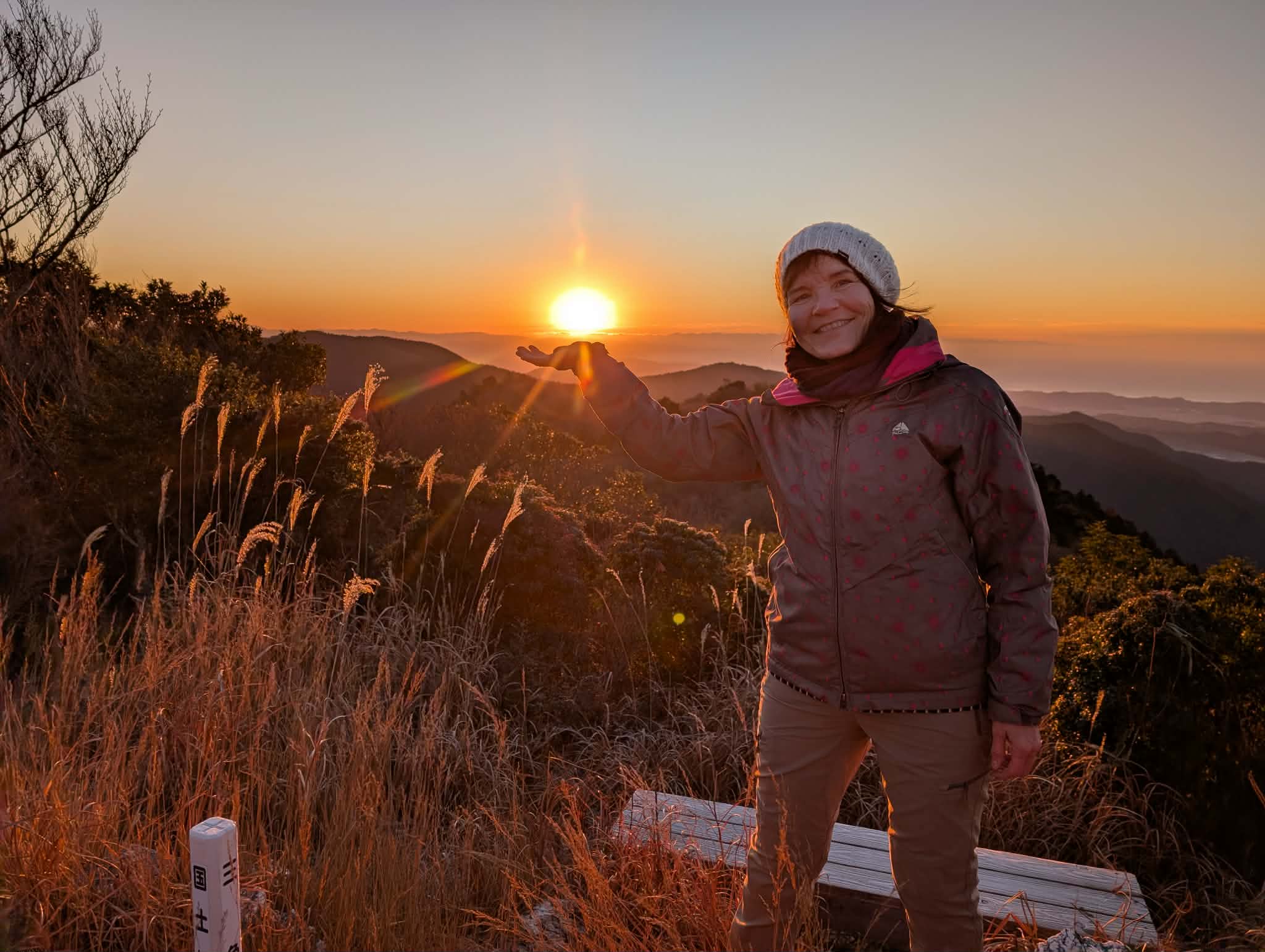
午前5時、ヘッドランプの光を頼りに、私たちは山を登り始めました。
やがて、山の稜線の上に細い光の帯が現れ、
それがゆっくりと広がり、
ついに太陽が姿を現しました。
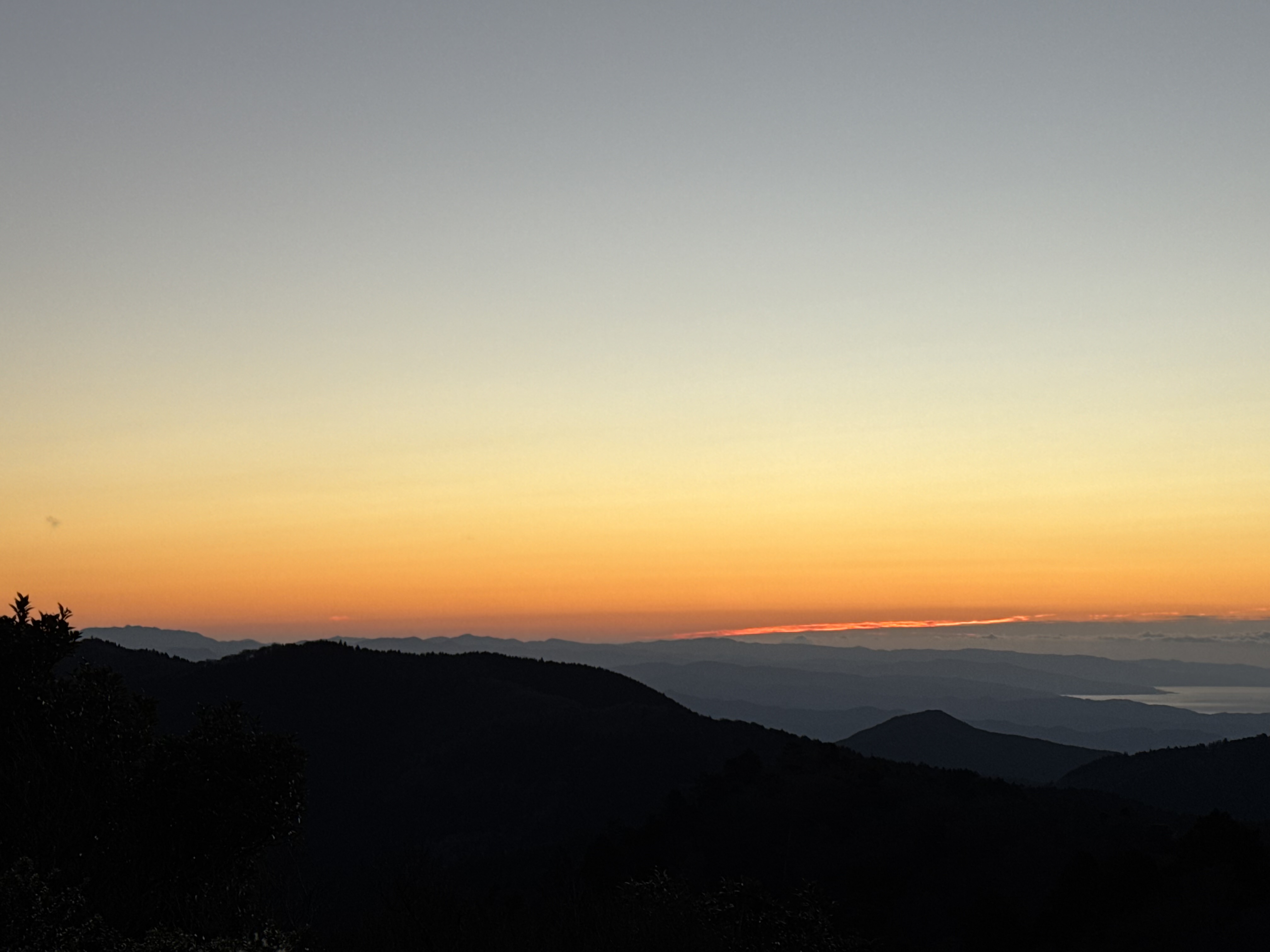
山頂の空気は凍るように冷たく、
私たちは足踏みしながら身体を温め、
抹茶を点てる準備をしていました。
それでも、その場には確かに、
言葉にならない神聖さが満ちていました。
それは儀式であり、祈りであり、
静かな祝福でした。
日本の元日の伝統には、深い叡智があります。
初日の出は、新しい始まり、浄化、そして一年の祝福を象徴します。
それは神道に根ざした、自然への畏敬の文化。
この瞬間、人は願いを放ち、祈りを空へと送り出します。
私もまた、太陽の神に祈りを捧げました。
その瞬間が、さらに特別なものとなったのは、
太陽が山の向こうから姿を現したまさにその時、
エストニアでは新年が始まっていたことでした。
冬の間、日本はエストニアより7時間進んでいます。
闇は光へと移ろい、
古いものは静かに手放され、
新しい形が生まれていく。
年の始まりは、
魂にとっての「再起動」のようなものです。
元日には神社を訪れ、祈りを捧げる。
私はこの日本の伝統がとても好きです。
日本の1月は、人に問いかけません。
「今年の目標は何ですか?」とは。
代わりに、静かにこう尋ねてくるように感じます。
「あなたの内なる在り方は、今どんな状態ですか?」
冬は、沈黙の季節。
祈りと儀式と、内省の時間。
もし冬が「内なる整え」の季節だとしたら、
春、4月は「外へ生きる」季節。
心が澄み、意識が整っていれば、
人は自然と、新しい道へと歩み出していきます。
私自身、この「沈黙の時間」を今年、特に深く生きています。
過去のエネルギーが静かに薄れ、
新しいものが、まだ輪郭を持たずに漂っている。
そんな分岐点に立っている感覚があります。
自然とともに生きることは、
待つことを学ぶことでもあり、
信じることを学ぶことでもあります。
When I experienced the New Year Eve in Japan for the first time, I was surprised. Everything was so quiet, without a single firework. Living in Tosacho I have seen fireworks at almost every festival, but not on New Year’s Eve. In Estonia people get used to celebrate the New Year with fireworks, parties, dancing, and singing. For me this quietness felt like a balm to my soul. It’s more natural for me to welcome the New Year energy in silence and in connection with nature. That is exactly what I was able to enjoy here, in Tosasho.
The idea what is behind this quietness deeply resonates with me. January 1st marks the beginning of a new cosmic cycle. It is like a spiritual opening of the year—an inner alignment before action begins. Time for action comes in April, together with spring, when the new school year, and the fiscal year starts. Until then, people renew their relationship with the deities and create a deep connection with nature. So did I.
In Europe, the fiscal year begins on January 1st, and the school year starts in autumn, on September 1st. Living in harmony with the rhythms of nature is important to me, even my body relaxes when I let nature and inner feeling to guide me. In Japan, there is no daylight saving time twice a year, so the clocks stay the same throughout the year. Instead, nature itself guides daily rhythms. That is why my body feels more at ease in Japan.
In Estonia, I often spent time in nature—walking in forests, by the sea, or in bogs. It was quite normal for me to go out into nature on New Year’s Eve or on the first day of the year. I’ve also enjoyed watching sunrises in Estonia, but I had never before welcomed the very first rays of the New Year’s sun in nature. I experienced this for the first time in my life on January 1st this year.
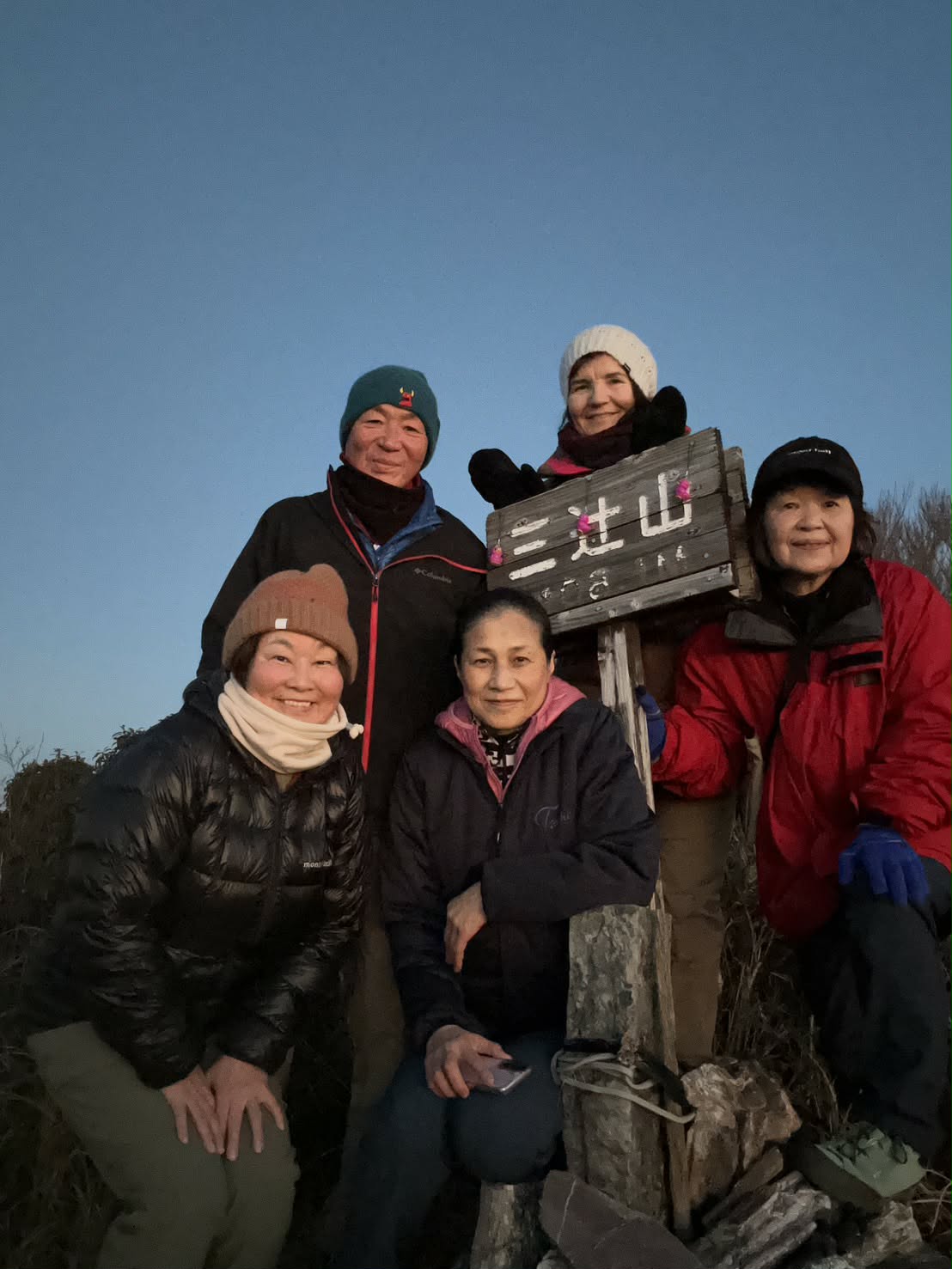
At 5:00 a.m., we started our hike toward the mountain peak by headlamp light. Soon a thin strip of light above the mountains slowly expand until it finally revealed the sun itself. It was cold on the mountaintop in the early morning. We jumped from one foot to the other to keep warm while trying to prepare matcha tea. Even so, it was a truly ceremonial holy presence.
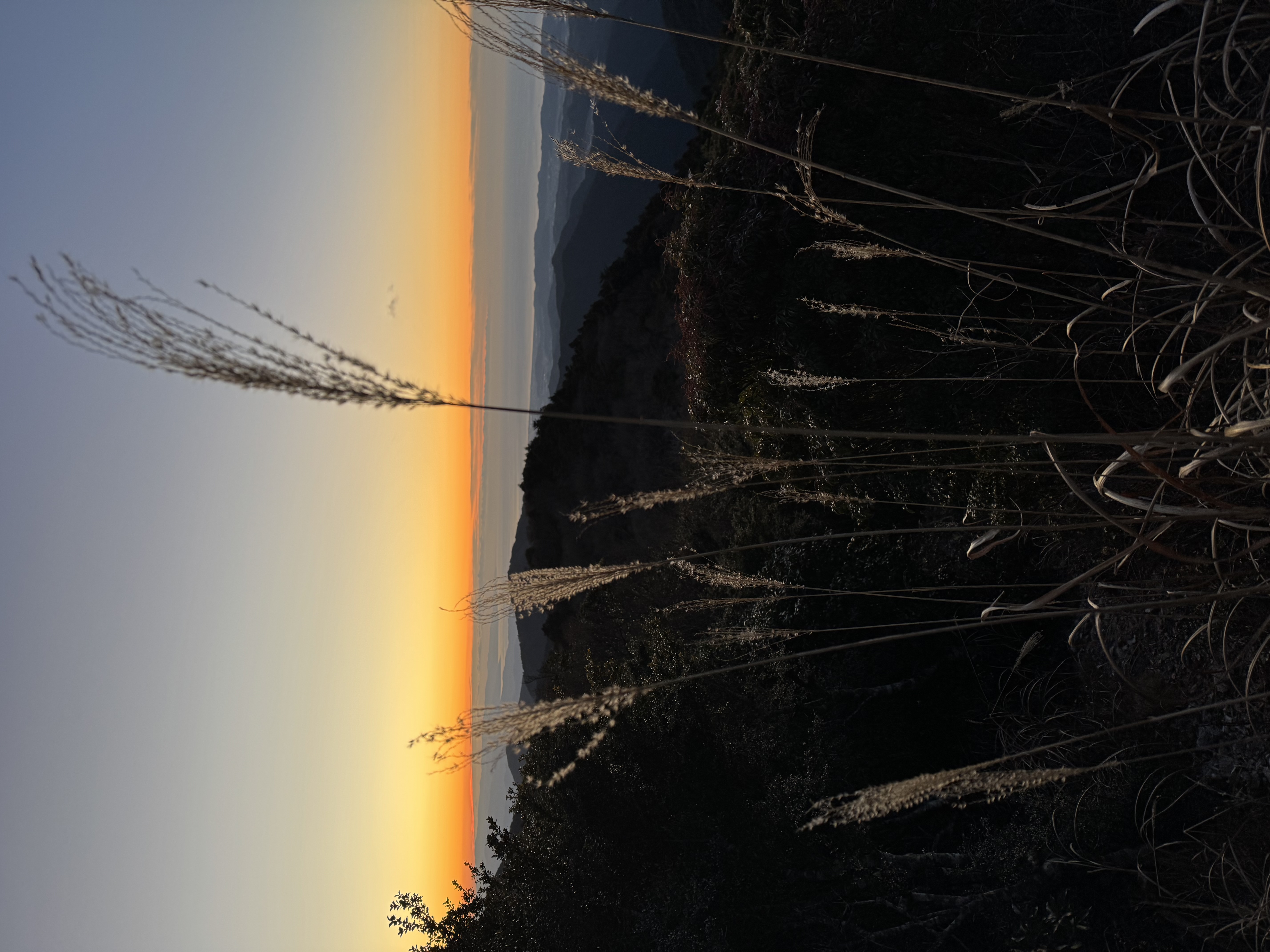
I love the Japanese January 1st tradition and its wisdom, where the sunrise symbolizes a new beginning, purification, and good fortune for the entire year. It reflects a cultural tradition rooted in Shinto and in reverence for nature. This is a moment when people send their wishes and prayers into the world. Me too, I also offered my prayers to the sun deity. What made this moment especially meaningful was that at the exact moment the sun appeared from behind the mountain, the New Year began in Estonia. In winter, Japan is seven hours ahead of Estonia.
Darkness moves into light, and everything old will be gone ready for a new form. The beginning of the year feels like a “restart” for one’s inner spiritual being. On the first day of the year, it is also traditional to visit a shrine, and I did that as well. I like Japanese traditions.
I like the idea that January does not ask people, “What resolutions have you made for the New Year?” as is often done in Europe. Instead, it quietly looks inside a person and asks, “What is your inner state of being?” Winter is a time of silence, rituals, and prayers.
If winter is a time for inward reflection and spiritual alignment in silence, then April is the time to live outwardly. If the mind is pure and aligned, there is strength and clarity to move forward with new endeavors.
In my own life, I felt this “time of silence” especially deeply this year. I found myself at a crossroads, where the energy of the previous phase was gradually fading and the new had not yet fully revealed itself. Living in rhythm with nature teaches also a patience and trust.