剣山
伝説によると、「剣山(つるぎさん)」という名前は、日本の皇室にゆかりのある神聖な剣が、山のどこかに隠されているという言い伝えに由来しているそうです。
そんな「剣の聖なる山」へ向かうため、私は朝5時15分に起きました。身支度をしながら、私がハイキング用のリュックを準備している一方で、エストニアではちょうど人々が眠りにつこうとしているのだな、と思いました。日本とエストニアには6時間の時差があります。
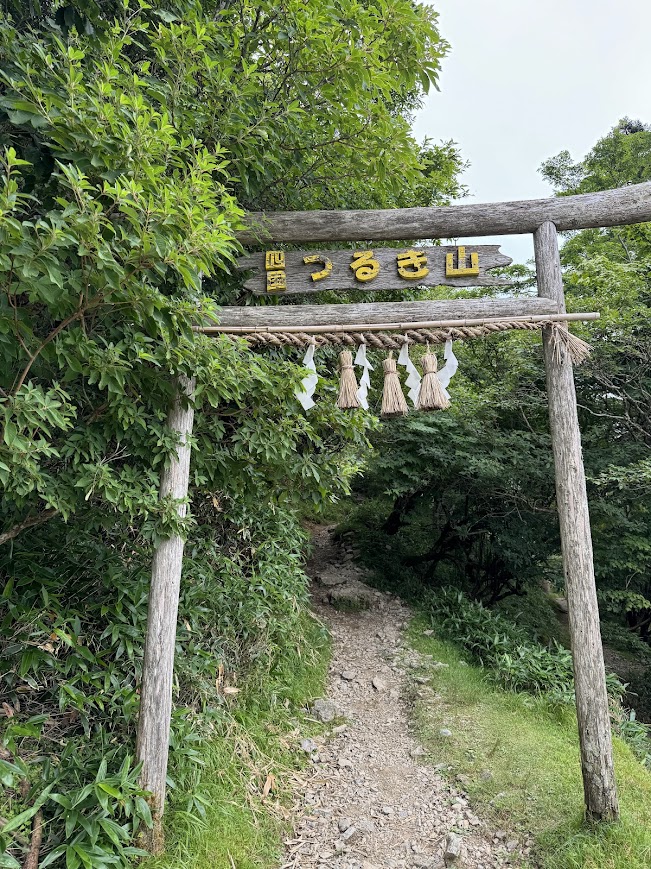
朝9時には剣山の神社に到着しました。出発する前に、山の神々に感謝を伝え、安全な旅ができるように祈りました。
今回は、剣山を「制覇する」というのは、とてもにぎやかな出来事になりました。山のふもとに着く1~2キロほど手前から、すでに道路の両側に車がずらりと並んでいました。駐車場はもういっぱいなのではないか、と思いました。
さらに、パトランプを点灯させたパトカーまで走り回り、これより先にはもう駐車スペースがないことを人々に知らせていました。それでも私は、運を試してみようと思い、山のふもと近くで駐車場所を探してみることにしました。
最初の駐車場の入口で、期待を込めた目で係の方を見つめてみましたが、彼は胸の前で腕を交差させました。
――つまり、「無理」ということです。
2つ目の駐車場では、希望が完全に消えかけていました。そこには、なんと駐車係の人さえもういませんでした。それでも念のため、駐車場を一周してみました。
やっぱり、何もありません。
ぐるぐる回っていると、遠くに何かが目に入りました。
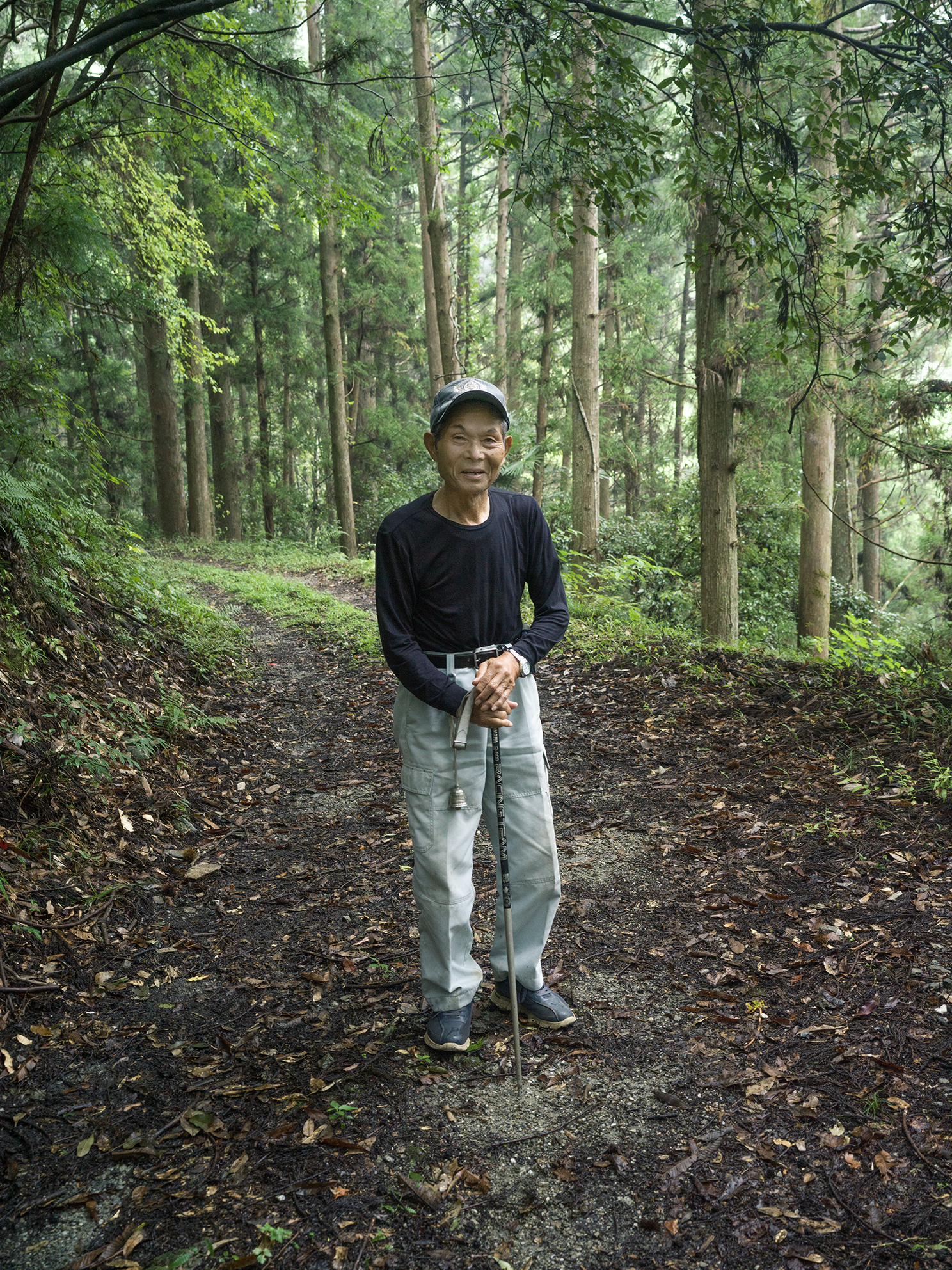
年配の男性が、自宅の広い庭で車の整理をしていたのです。どうやら、まだ少し空きがあるようでした。
希望が湧いてきました!
私は道路に戻り、空いている駐車スペースのほうへ右折しようとした、その時です。
駐車係の人に止められ、「申し訳ありませんが、駐車場はすべて満車です」と言われました。
一瞬、どうしていいのか分からなくなりました。
私が戸惑っている間に、駐車係の人は別の車のところへ移動しました。そして、その運転手に日本語でこう言っているのが聞こえました。
「1,000円。手を振っている男性のところへ行ってください。」
その駐車係の人が私のところへ戻ってきました。
私は日本語で、「私も、右側の家の裏に駐車したいです」と伝えました。
すると、駐車係の人の顔に驚きの表情が浮かびました。
――「1,000円。手を振っている男性のところへ行ってください。」
やっぱり、日本語が少しできると助かることもあるものです。
私は日本語で元気よく「はい!」と答え、駐車場所を提供してくれた男性のところへ向かいました。
私はそのおじいさんに1,000円を渡し、さらにちょっとしたおまけとして、エストニアと日本の国旗が描かれたピンバッジもプレゼントしました。
私は感謝の気持ちでいっぱいでした。
おじいさんは少し驚いたようでしたが、うれしそうでした。そして私もうれしかった――無事に駐車場所を見つけることができたのです。
山頂で
これまで何年も山歩きをしてきましたが、山頂にこれほどたくさんの人が集まっているのを見たことはなかったと思います。
普段、山頂では私一人、あるいは、たまたま同じ時間に到着した人が1~2人いるくらいです。
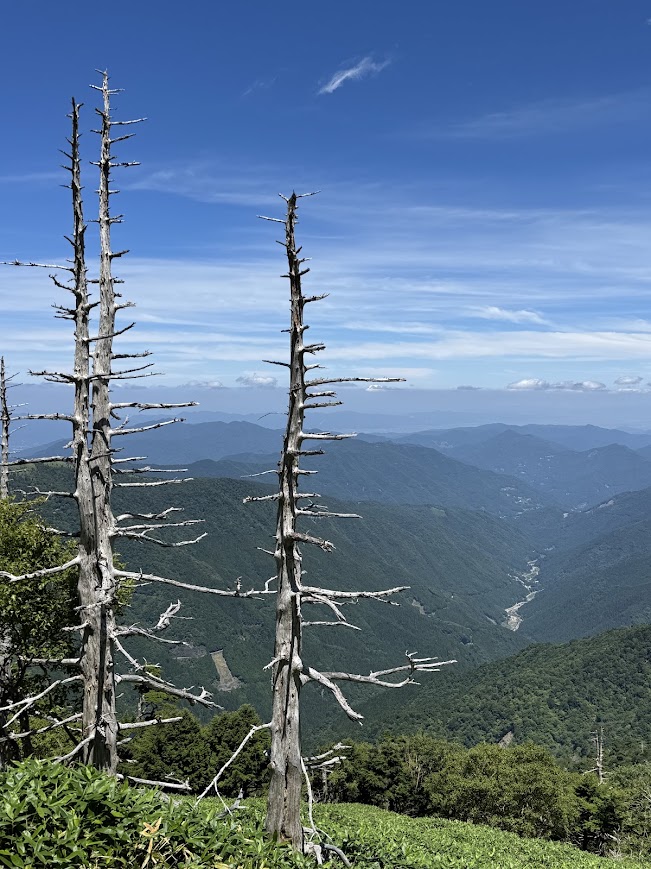
でも、剣山の山頂はかなりの人数を受け入れることができます。山頂は比較的平らで、いくつかの木道や木製のデッキがあり、そこから景色を眺めたり、ただ座って持ってきたお弁当を食べたりすることができます。
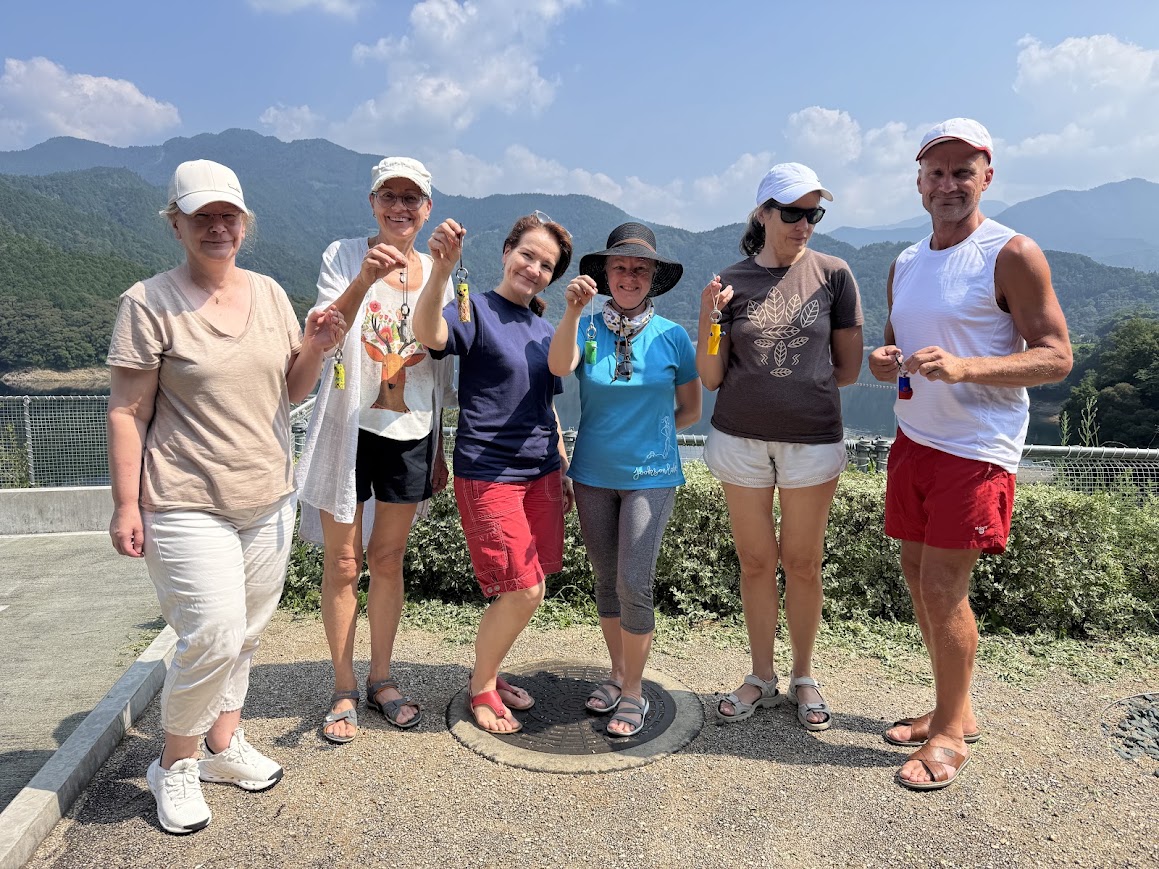
その朝、エストニアで最初の人々が目を覚まし始めた頃、私はすでに標高1,955メートルの山頂に立っていました。
やったー!
「山の日」って何?
今年、私は「山の日」についてもう少し詳しく調べてみました。そして、山の日は実は日本では比較的新しい国民の祝日で、2016年に初めて祝われたことを知りました。
山の日には、日本の人々が山に親しみ、山が与えてくれる恵みに感謝することがすすめられています。
自然が与えてくれる豊かさを感じ、その恵みに心から感謝しながら、今この瞬間を大切にする日なのだと思います。
8月11日という日付が選ばれた理由については、「11」という数字が山に立つ木々のように見えること、そして8月を表す「八(はち)」という漢字が、山の峰々を連想させることに由来すると言われています。
本当にそれが理由だったのかどうかは分かりません。でも、私にはこの数字のマジックがとても気に入っています。
日本の山々の中で、四国の中心にあるこの場所で暮らす機会を人生から与えてもらえたことを、私は心から幸せに、そしてありがたく感じています。
「私と山」のラブストーリーは、まだまだ続きます。
新しい道が、新しい山頂が、私を待っています!

THE MOUNTAIN OF THE SWORD
I learned that, according to legend, the name Tsurugi comes from a sacred sword said to have been hidden somewhere in the embrace of the mountain, associated with the Japanese Imperial family.
To make my way to the sacred mountain of the sword, I got up at 5:15 in the morning. As I was getting ready, I thought about how Estonia was settling down to sleep while I was packing my hiking backpack. There is a six-hour time difference.
By nine in the morning, I was at Tsurugi’s Shinto shrine, expressing my gratitude to the mountain spirits before setting off and praying for a safe journey.
This time, “conquering” Tsurugi was a very crowded affair. Already a kilometre or two before reaching the foot of the mountain, cars were lining side. It gave me a thought that the car parks were already probably full. There were even police patrol cars with flashing lights driving around, informing people that there were no parking spaces left further up the mountain. I decided to take my chances anyway and try to find a parking spot near the foot of the mountain.
At the entrance to the first car park, the attendant crossed his arms in front of him in response to my hopeful look, — meaning there was no chance. At the second car park, hope had run so completely dry that there was not even a parking attendant anymore. Just in case, I drove around the car park once. Nothing.
As I was circling, something caught my eye in the distance: an elderly man was organizing parking in his large home yard. There seemed to be some space left. It gave me a hope!
I drove back onto the road and was just about to turn right towards the available parking when a parking attendant stopped me and told me that, unfortunately, all the car parks were full. For a second, I felt myself completely helpless.
While I felt confused for a moment, the parking attendant moved on to another car, and I heard him tell the driver in Japanese: “1,000 yen. Drive towards the man who is waving.”
The parking attendant came back to me. I said in Japanese that I would also like to park behind the house on the right. The look of surprise on the parking attendant’s face answered me: “1,000 yen. Drive towards the man who is waving.” So, Japanese language might help sometimes out.
I happily answered yes in Japanese and drove towards the man offering the parking space. I gave the old man 1,000 yen — and, as a little extra, an Estonia-Japan flag pin.
I was overflowing with gratitude. The old man looked a little surprised, but happy. I was happy too — happy to have found a parking space.
AT THE SUMMIT
I do not think I have ever seen so many people gathered on a mountain summit in all my years of hiking. Usually, I am alone at the top, or perhaps there are one or two other people who happen to arrive at the same time.
But the summit of Tsurugi can accommodate quite a crowd. The summit is relatively flat, with several boardwalks and wooden platforms where you can admire the views or simply sit down and eat the lunch you brought with you.
When the first Estonians were waking up back home in Estonia that morning, I had already have taken my 1,955-metre summit. Hooray!
WHAT IS YAMA NO HI?
This year, I looked more closely into Mountain Day and discovered that Yama no Hi is actually a relatively new national holiday in Japan, first celebrated in 2016. On Mountain Day, people in Japan are encouraged to become better acquainted with the mountains and to appreciate the blessings they offer. To be truly present and grateful for the richness that nature provides.
It is said that the choice of the date, the 11th, came from the fact that the number resembles trees standing in the mountains, while August, the eighth month, represented by the character 八 (hachi), is reminiscent of mountain peaks. Whether that really was the reasoning or not, the number magic works for me.
I feel genuinely happy and grateful that life has given me the opportunity to live among the mountains of Japan, in the heart of Shikoku. The love story “Me and the mountains”, – continues. New trails and new summits are waiting!