

日本へ移り住んでから、夏至や春分・秋分がエストニアとは異なる意味を持っていることに気づきました。
多くの点で、その捉え方はまるで正反対のようにも感じられます。
エストニアでは、夏至と冬至が一年の中でも特に大切にされています。一方、日本では夏至(げし)は、ほとんど祝われることがありません。
多くの人は「今日は夏至だ」と知ってはいても、多くの場合、それはただ暦の上の一日でしかありません。エストニアと比べると、冬至でさえ日本では文化的な存在感はずっと控えめに感じられます。
その代わり、日本では春分と秋分がより大きな意味を持っています。反対にエストニアでは、春分と秋分は、夏至や冬至ほど大きく取り上げられることはありません。
夏至は、一年で最も昼が長く、夜が短い日です。日本でもエストニアでも、通常は6月21日頃に訪れます。しかし、その「光」の体験は驚くほど異なります。
エストニアでは、夏至の頃になると昼の長さの極まりをはっきりと実感できます。一方、日本ではその変化はそこまで劇的ではありません。
エストニアでは夜になってもほとんど明るく、暗くなる時間はわずか2〜3時間ほどです。その短い夜も真っ暗になるわけではなく、薄明かりに包まれています。
だからこそ、エストニアで「光」を祝うことは、とても自然なことのように感じられます。夏至が「光の祭り」となった理由も、よく理解できます。
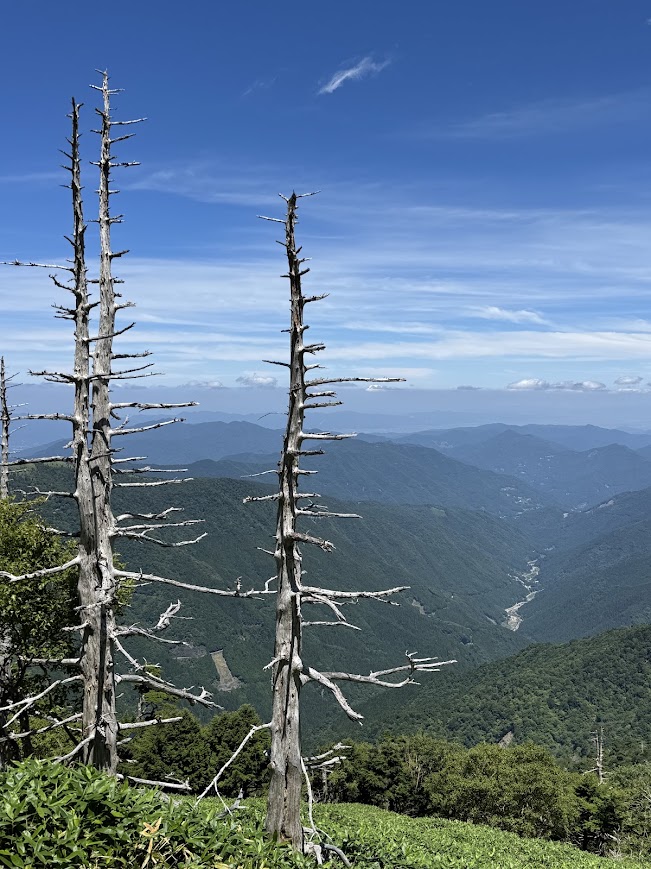
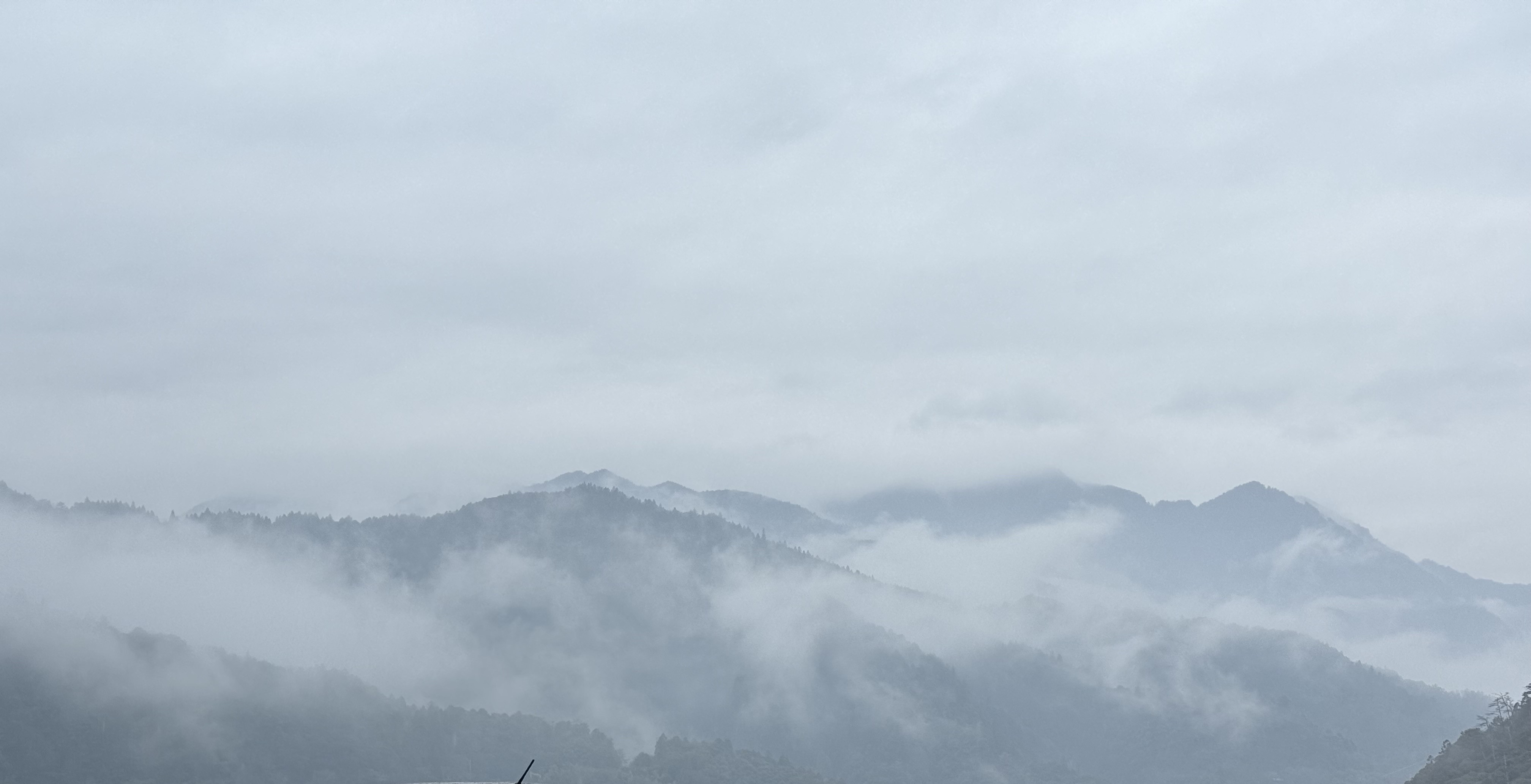
一方、日本の夏至はまた違った表情を見せます。昼は長いものの、その印象はエストニアほど劇的ではありません。この季節の本質は、終わることのない光ではなく、豊かな水、勢いよく育つ植物、湿り気を帯びた空気、そして深い緑に包まれた森にあるように思います。
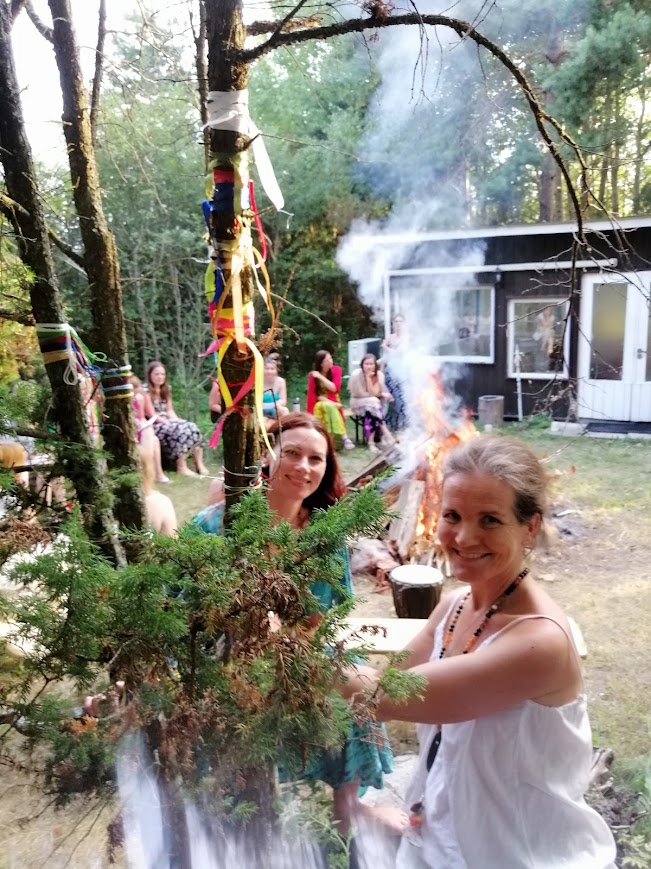
もしエストニアの夏至のエネルギーが「火」「光」、そして天空の頂点に達した太陽だとするなら、日本の夏至のエネルギーは、「水」「成長」「潤い」、そして悠久の森が静かに湛える豊かさのように感じられます。
私が日本の美意識の中で、とりわけ美しいと感じるものがあります。それは、「最高潮そのものではなく、変化が始まる瞬間を大切にする」という古くからの世界の見方です。
太陽が一年で最も高く昇るその瞬間だけを見るのではなく、この日を境に、光はほんのわずかずつ、ほとんど気づかれないほどゆっくりと短くなり始めることにも心を向ける。その眼差しがあります。
どんな頂点の中にも、すでに次の変化の始まりが宿っている。
だから私は、「ただ気づく」という営みが好きなのかもしれません。
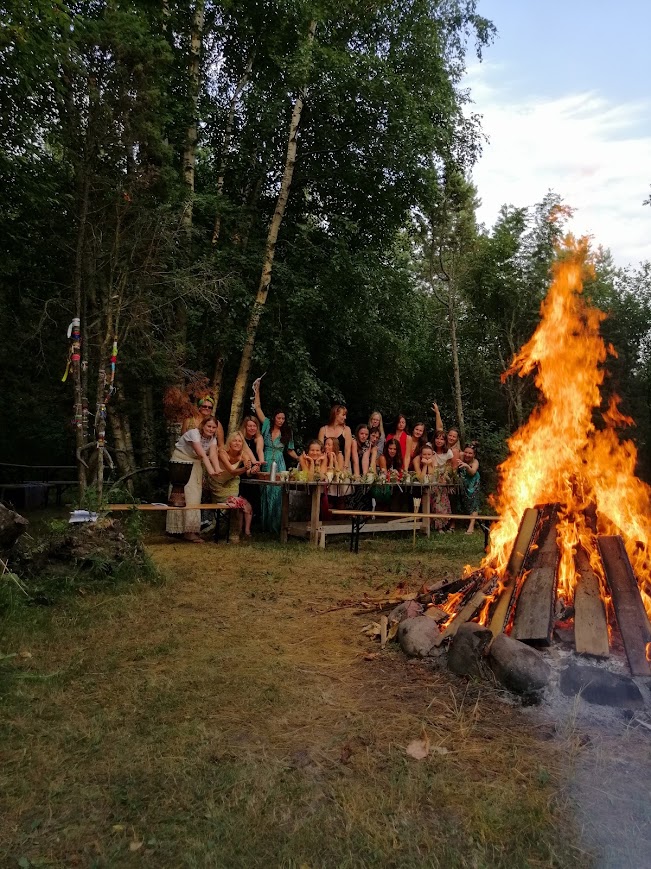
Summer Solstice
When I moved to Japan, I noticed that some solstices and equinoxes carry a different significance than they do in Estonia. In many ways, it feels almost the opposite.
In Estonia, the summer and winter solstices receive the greatest attention. In Japan, however, I discovered that the summer solstice, Geshi (夏至), is not really celebrated. Most people know that it is Geshi, but for many it is simply another day on the calendar. Compared to Estonia, even the winter solstice seems to receive much less cultural attention in Japan.
Instead, the spring and autumn equinoxes hold a more important place here. In Estonia, by contrast, these equinoxes tend to be observed much more quietly than the solstices.
Geshi is the longest day and the shortest night of the year. Both in Japan and Estonia, it usually falls around June 21. Yet the experience of light is remarkably different.
In Estonia, the culmination of daylight during the summer solstice is very clearly noticeable, whereas in Japan it is much less so. In Estonia, it remains light almost throughout the entire night, with darkness lasting only two or three hours. Even those two or three hours are not completely dark, but rather dim with twilight. That is why celebrating the light in Estonia feels much more natural than it does in Japan. It is easy to understand why the summer solstice has become a celebration of light.
Japan offers a different experience. Although the day is long, the feeling is not nearly as dramatic. Here, the essence of the season is not endless light but abundant water, lush growth, humidity, and forests clothed in deep shades of green.
If the energy of the Estonian summer solstice is fire, light, and the sun at its highest point, then the energy of Japan’s Geshi feels more like water, growth, moisture, and the quiet richness of ancient forests.
What I find especially beautiful in Japanese aesthetics is an ancient way of seeing the world: what matters is not the climax itself, but the very moment when change begins. Rather than focusing only on the sun at its highest point, there is an awareness that, from this very day onward, the light begins—almost imperceptibly—to fade again. In every peak, there is already the beginning of the next transformation. Perhaps that is why I love the practice of simply noticing.